
 2 weeks ago
21
2 weeks ago
21
If you own a Belgian Malinois, tracking their weight and height as they grow isn’t just satisfying, it’s one of the best early warning systems you have for their health. This breed grows fast, builds muscle quickly, and has very different needs at 3 months versus 18 months. Knowing where your dog stands against typical Belgian Malinois weight by age benchmarks can help you catch problems before they become expensive vet visits.
Below you’ll find complete growth charts for both male and female Malinois, feeding amounts by age, a breakdown of key muscle development stages, and a simple healthy weight check you can do at home.
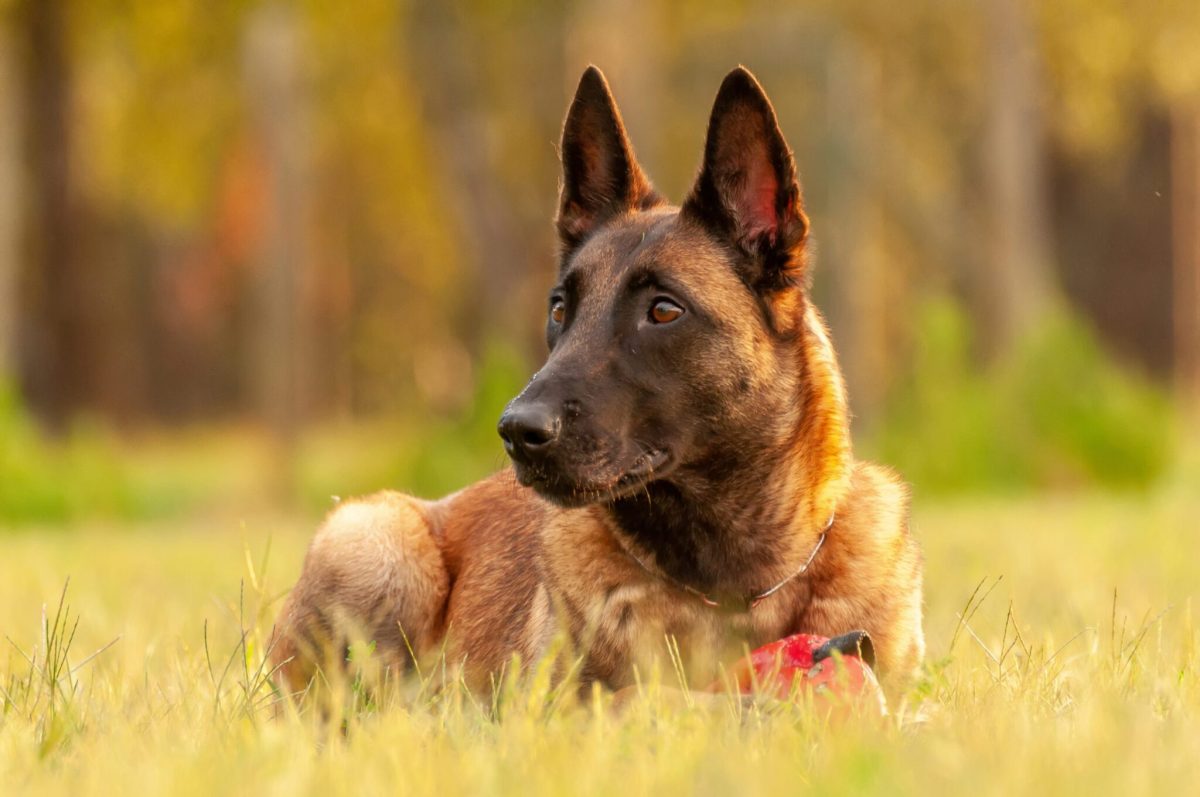
Belgian Malinois: Key Size Facts
- Adult male weight: 60-80 lbs (27-36 kg)
- Adult female weight: 40-60 lbs (18-27 kg)
- Adult height range: 22-26 inches at the shoulder
- Full height reached: Around 12 months
- Full muscle mass reached: 18-24 months
- Breed group: Herding (high-drive working breed)
Belgian Malinois Weight by Age: Male Growth Chart (2026)
Male Malinois are noticeably larger than females, especially from 6 months onward. They hit their full height around 12 months, but they keep packing on muscle until 18-24 months. If your male is tracking at the lighter end of these ranges, don’t panic, diet, genetics, and activity level all play a role. But if he’s consistently 10-plus pounds under, it’s worth a vet conversation.
You can compare similar working breeds by checking out our German Shepherd weight by age growth charts, the two breeds track similarly in their first year.
| Newborn | 0.5-1 | 0.2-0.5 | 4-6 | 10-15 |
| 1 | 5-10 | 2.3-4.5 | 8-10 | 20-25 |
| 2 | 12-18 | 5.4-8.2 | 10-13 | 25-33 |
| 3 | 20-30 | 9.1-13.6 | 13-17 | 33-43 |
| 4 | 28-38 | 12.7-17.2 | 16-20 | 41-51 |
| 5 | 34-44 | 15.4-20 | 18-22 | 46-56 |
| 6 | 40-52 | 18.1-23.6 | 20-23 | 51-58 |
| 7 | 45-57 | 20.4-25.9 | 21-24 | 53-61 |
| 8 | 50-62 | 22.7-28.1 | 22-25 | 56-64 |
| 9 | 54-66 | 24.5-30 | 23-26 | 58-66 |
| 10 | 57-69 | 25.9-31.3 | 24-27 | 61-69 |
| 11 | 59-72 | 26.8-32.7 | 24-27 | 61-69 |
| 12 | 60-75 | 27.2-34 | 24-26 | 61-66 |
| 18 | 62-78 | 28.1-35.4 | 24-26 | 61-66 |
| 24+ | 60-80 | 27.2-36.3 | 24-26 | 61-66 |
Belgian Malinois Weight by Age: Female Growth Chart (2026)
Female Malinois are leaner and lighter but just as athletic. They typically reach their adult height a little earlier than males, often by 10-11 months, and max out their weight around 15-18 months. Don’t expect a female to look fully filled out until she’s at least a year and a half old.
| Newborn | 0.5-1 | 0.2-0.5 | 4-5 | 10-13 |
| 1 | 4-8 | 1.8-3.6 | 7-9 | 18-23 |
| 2 | 10-15 | 4.5-6.8 | 9-12 | 23-30 |
| 3 | 16-25 | 7.3-11.3 | 12-16 | 30-41 |
| 4 | 22-32 | 10-14.5 | 15-18 | 38-46 |
| 5 | 27-38 | 12.2-17.2 | 17-21 | 43-53 |
| 6 | 32-44 | 14.5-20 | 19-22 | 48-56 |
| 7 | 36-47 | 16.3-21.3 | 20-23 | 51-58 |
| 8 | 38-50 | 17.2-22.7 | 21-23 | 53-58 |
| 9 | 40-52 | 18.1-23.6 | 21-24 | 53-61 |
| 10 | 40-54 | 18.1-24.5 | 22-24 | 56-61 |
| 11 | 40-56 | 18.1-25.4 | 22-24 | 56-61 |
| 12 | 40-58 | 18.1-26.3 | 22-24 | 56-61 |
| 18 | 42-60 | 19.1-27.2 | 22-24 | 56-61 |
| 24+ | 40-60 | 18.1-27.2 | 22-24 | 56-61 |
These ranges are based on breed standards and real-world averages. Your dog won’t hit every number exactly, and that’s fine. What matters is consistent, steady progress, not perfection.
Height Chart: How Tall Do Belgian Malinois Get?
Height is measured at the withers, the highest point of the shoulder blades. The AKC breed standard puts adult males at 24-26 inches and females at 22-24 inches. Most dogs hit their full height before they hit their full weight, so a “tall but skinny” 10-month-old is normal.
A few things that affect final height: genetics (look at the parents if you can), nutrition during the first 6 months, and whether your dog was spayed or neutered early. Early spay/neuter can slightly delay growth plate closure, which sometimes results in dogs growing a bit taller than their littermates.
Muscle Development Stages in Belgian Malinois
This is the part most guides skip, but it’s genuinely important. A Malinois doesn’t just grow in height and weight, they go through distinct muscle development phases that change how they look and move.
0-3 months: Basic frame formation. Puppies are growing bones and basic structure. They look fluffy and uncoordinated. Don’t push exercise here, short play sessions only.
3-6 months: Rapid height gain. They shoot up fast. Legs look long, body looks lean. This is normal. They’re not underweight, they’re going through an awkward growth phase that every Malinois goes through.
6-12 months: First muscle layer builds. You’ll start seeing definition in the shoulders and haunches. Their athletic build becomes visible. Keep exercise moderate, their growth plates are still open.
12-18 months: Secondary muscle development. This is where Malinois really start looking like themselves. Chest fills out, hindquarters develop, overall mass increases noticeably. You can start more structured training and exercise.
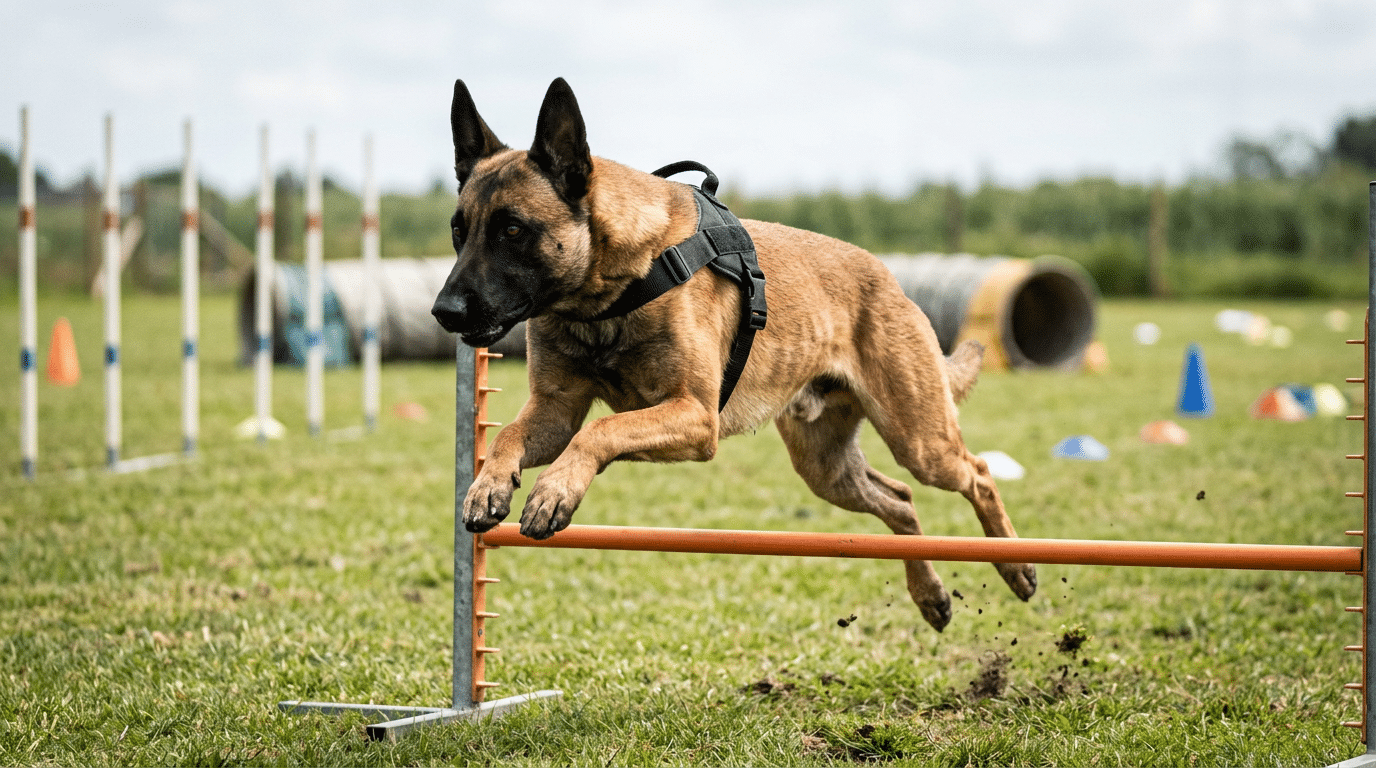
18-24 months: Full athletic maturity. Most Belgian Malinois reach their adult physique by 24 months. A dog that looked gangly at 10 months will look like a completely different animal by their second birthday. It’s worth the wait. These are truly high-exercise dogs who need outlets as their body matures.
How Much to Feed a Belgian Malinois by Age
Feeding the right amount matters a lot with this breed. Underfeeding stunts growth; overfeeding puts stress on growing joints. Here’s a practical feeding guide broken down by age.
Belgian Malinois Feeding Guide by Age
| 6-12 weeks | 0.75-1.5 | 4 | Large-breed puppy kibble |
| 3-6 months | 1.5-2.5 | 3 | Large-breed puppy kibble |
| 6-12 months | 2.5-3.5 | 2-3 | Large-breed puppy or adult |
| 12-18 months | 2.5-3.5 | 2 | Transition to adult formula |
| 18+ months (adult) | 2-3.5 | 2 | High-protein adult kibble |
Amounts are for average-sized dogs at moderate activity levels. Highly active or working dogs may need 20-30% more. Always follow your specific food’s packaging guidelines.
One thing to keep in mind: Malinois are high-drive, high-activity dogs. A working or sport dog doing daily training sessions burns significantly more calories than a pet Malinois with a couple of daily walks. Adjust portions based on what you’re actually doing with your dog, not just their age.
For active breeds like these, choosing a high-quality food matters. Check out this comparison of Blue Buffalo vs Purina Pro Plan for active dogs to see which formulas hold up for high-energy working breeds.
How to Check If Your Belgian Malinois Is at a Healthy Weight
The scale tells you part of the story. But because Malinois can be lean and heavily muscled at the same time, weight alone doesn’t tell you much. Here’s the rib test, the method most vets use.
Run your fingers firmly along your dog’s ribs. You should feel each rib with light pressure, but they shouldn’t be visually obvious. If you can’t feel them at all, your dog is likely overweight. If you can see the ribs clearly without touching, they’re too thin.
The waist check: look at your dog from above. A healthy Malinois should have a visible waist, a tuck behind the ribs. If they look like a sausage from above, that’s a problem. If they look skeletal, that’s also a problem.
Malinois naturally carry less fat than many other breeds. A Malinois at a healthy weight will look leaner than most dogs at the same weight. Don’t let that fool you into overfeeding.
Male vs. Female Belgian Malinois: Size Differences Worth Knowing
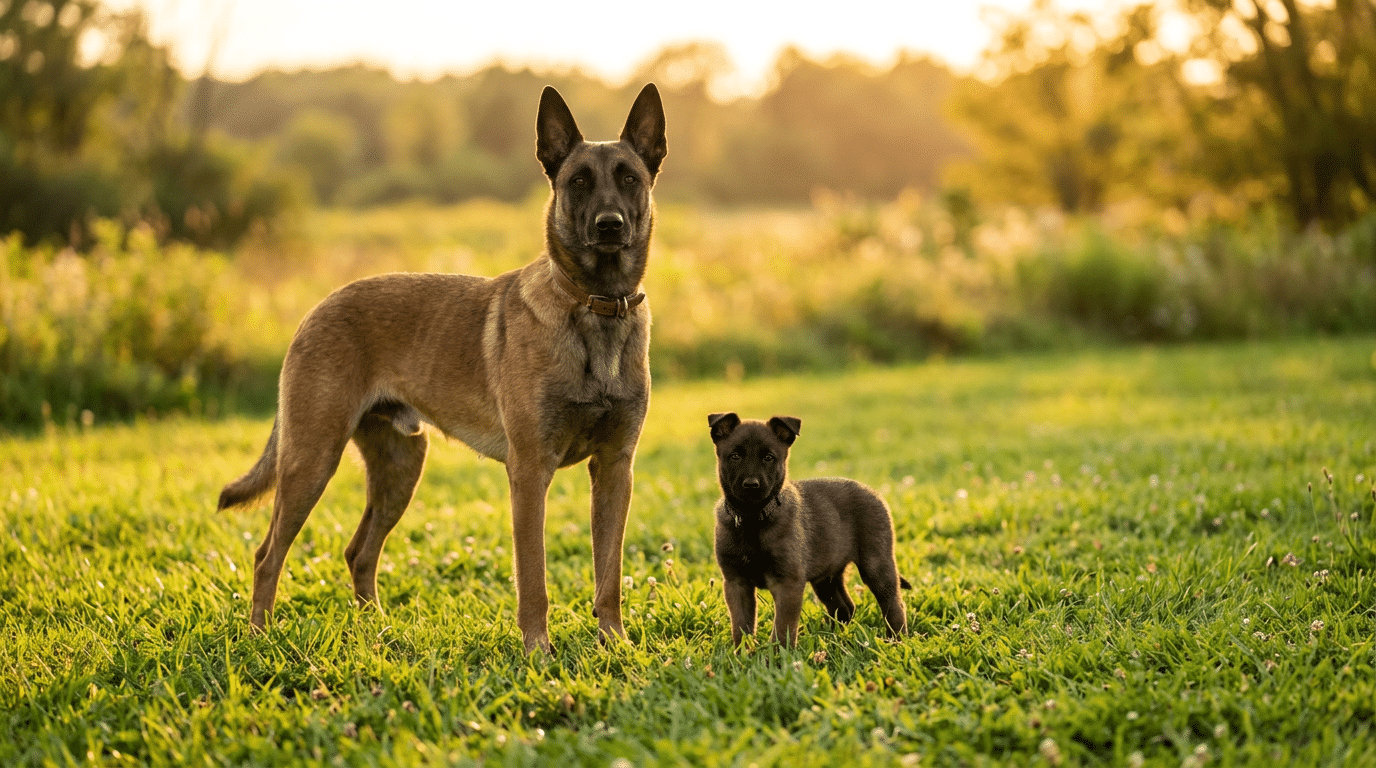
The gap between male and female Malinois is real, usually 15-20 pounds and 2-4 inches at full maturity. But both sexes are built the same way: lean, muscular, with a body designed for endurance and speed.
Males tend to be stockier and more muscular through the chest and neck. Females stay leaner and are often described as more “refined” in their build. Neither is better, it really just depends on what you’re looking for and what activities you plan to do together.
If you’re choosing between a male and female Malinois for protection work or sport, size is less important than drive, training, and temperament. For a family situation, a female’s slightly smaller frame can make management easier, especially if you have kids around. Either way, this is one of the most determined and persistent dog breeds you’ll find, size doesn’t change that.
You might also be interested in how this breed compares to other herding and working dogs. Our guide on dog breeds similar to German Shepherds covers the Malinois alongside other high-drive working breeds.
When Should a Belgian Malinois Stop Growing?
Most Malinois reach their adult height by 12-14 months. Weight and muscle mass continue to develop until 18-24 months. So if your 12-month-old looks lean and lanky, don’t stress, they’ve got another year of filling out ahead of them.
Growth plates in large and medium breeds typically close between 12-18 months. Before that, avoid high-impact activities that stress the joints: no forced running on hard surfaces, no repetitive jumping, no long-distance running with a bike. Short play sessions and swimming are safer bets for a puppy still in active growth.
After 24 months, most Malinois have reached their final size. Any weight changes after that point are purely from diet and muscle development, not actual growth. If you’re seeing dramatic weight loss in an adult dog, that warrants a vet visit, it’s not normal weight fluctuation.
For context on how other working and athletic breeds develop over time, take a look at the Australian Kelpie weight by age growth charts, another lean, high-drive breed with a similar development arc.
Frequently Asked Questions About Belgian Malinois Weight by Age
How much should a 6-month-old Belgian Malinois weigh?
At 6 months, most male Malinois weigh between 40-52 pounds and females between 32-44 pounds. If your dog is a bit outside this range, check feeding amounts and consult your vet. Rapid weight loss or stalled growth at this stage usually has a nutritional or parasite-related cause.
Are Belgian Malinois bigger than German Shepherds?
No, German Shepherds are generally larger. Adult male GSDs typically weigh 65-90 pounds versus 60-80 for a Malinois. Malinois are leaner and more compact, which makes them faster and more agile. They don’t have the same bulk. Both are working breeds with similar intelligence, but different physical builds.
Why does my Belgian Malinois look thin even after eating well?
This is extremely common, especially from 6-12 months. Malinois are naturally lean dogs with low body fat. During active growth phases, they burn calories faster than many owners expect. As long as your vet confirms they’re healthy, a lean Malinois is usually just a Malinois being a Malinois. Many owners of high-exercise dog breeds experience this same concern.
At what age do Belgian Malinois calm down?
Most don’t fully calm down until 2-3 years old, and even then, “calm” is a relative term for this breed. They stay high-energy for most of their lives. If you’re not prepared for that, the Malinois might not be the right fit. They’re in a completely different category from mellower breeds.
Can I tell my Malinois’s adult size from their parents?
Yes, to a degree. Parent size is the best predictor of adult size for any breed. If both parents were on the smaller side of normal (say 55-60 lbs for males), your puppy probably won’t hit 80 pounds. Ask your breeder for the parents’ measurements, a good breeder will have that info ready.
Should I feed my Malinois puppy large-breed food or regular puppy food?
Large-breed puppy food. Even though the Malinois isn’t technically a giant breed, large-breed formulas have more appropriate calcium-to-phosphorus ratios for proper bone development. Regular puppy food can cause too-fast bone growth, which puts stress on developing joints. Stick with large-breed puppy formula until at least 12 months.
Is it normal for a Belgian Malinois to gain weight quickly?
During the 3-6 month window, yes, they can gain 2-3 pounds per week. That rate slows significantly after 6 months. Dramatic weight gain in a puppy that’s already past the rapid growth stage usually points to overfeeding. Weigh your dog every 2 weeks and track it against the charts above.
Bottom Line on Belgian Malinois Growth Charts
Belgian Malinois grow fast, but they need time to fully develop. Height comes first, then weight, then muscle mass, often spread out over two full years. Comparing your dog to the charts above every couple of months gives you a reliable baseline, but remember that individual variation is normal.
The most important things you can do: feed a quality large-breed puppy formula in the right amounts, avoid high-impact exercise until growth plates close around 14-18 months, and bring your vet in if your dog’s weight stalls or drops unexpectedly. A Malinois that’s grown well and trained consistently is one of the most impressive dogs you’ll ever work with. The growth phase is just the beginning.
Looking for more breed size comparisons? Check out the Poodle weight by age growth chart or learn about other dog breeds starting with B to see how the Malinois stacks up against breeds of similar size.






 English (US) ·