
 2 weeks ago
19
2 weeks ago
19
So you’ve got a Cavalier King Charles Spaniel and you’re wondering if they’re growing right on track. Good instinct. These dogs have a pretty defined growth curve, and knowing where your pup should fall on a weight chart can save you a lot of guessing — and a few unnecessary vet calls.
This guide breaks down the Cavalier King Charles Spaniel weight by age for both males and females, month by month. You’ll also find feeding amounts, red flags to watch for, and the vet milestones that matter most during the first two years.
Quick note before the numbers: these are averages. Individual dogs vary. A Cavalier from a smaller bloodline might sit a few pounds lighter than the chart and still be perfectly healthy. When in doubt, your vet’s assessment always wins over any chart.
Male Cavalier King Charles Spaniel Weight and Height by Age
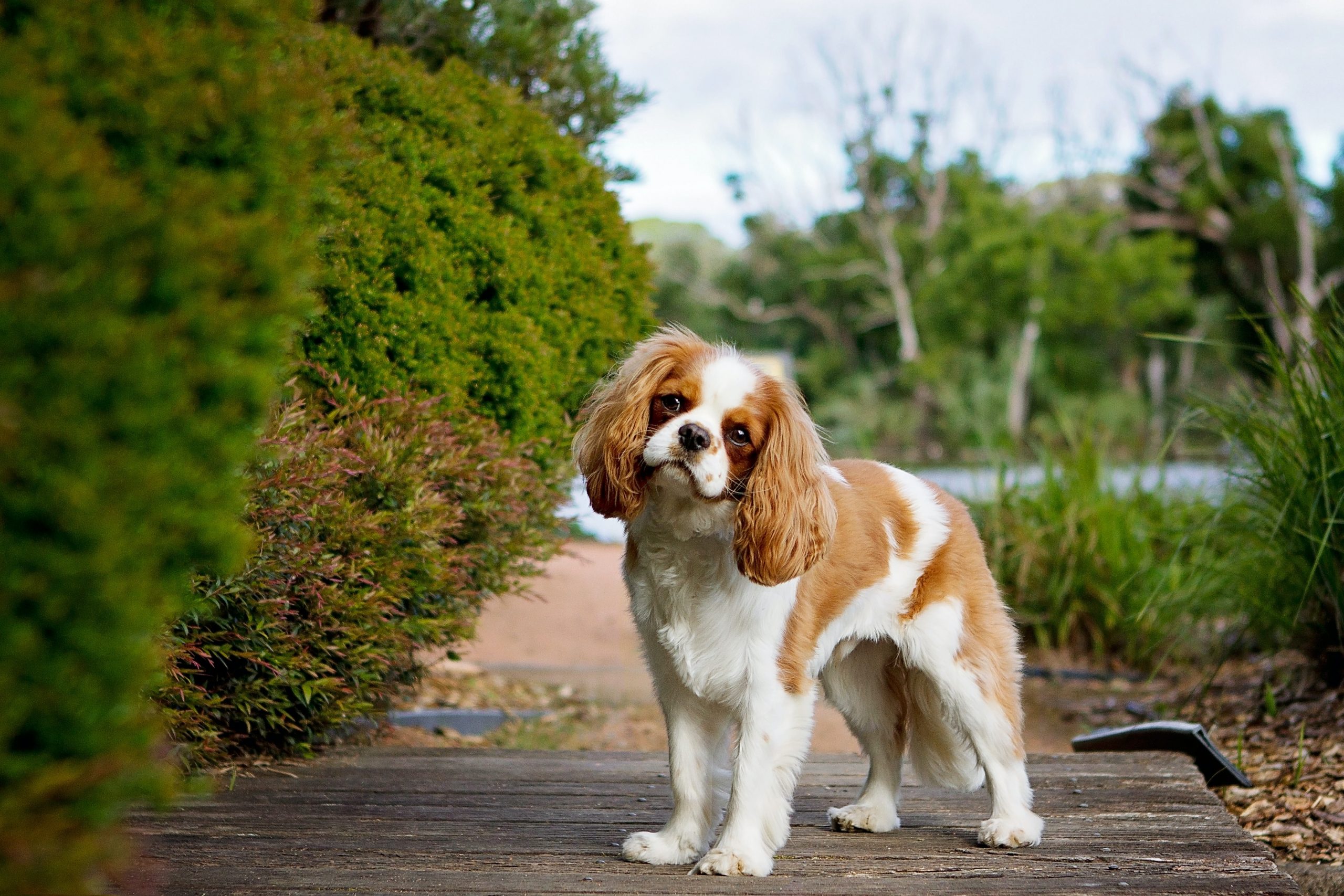
Male Cavaliers tend to run slightly heavier and taller than females. Most hit their adult height around 12 months, then continue to fill out in muscle and body mass through 18 months. The chart below tracks weight and height from birth through three years.
| 0-1 month | 1.5-3 | 0.7-1.4 | 2-4 | 5-10 |
| 2 months | 5-7 | 2.3-3.2 | 5-7 | 13-18 |
| 3 months | 7-10 | 3.2-4.5 | 7-9 | 18-23 |
| 4 months | 10-12 | 4.5-5.4 | 8-10 | 20-25 |
| 5 months | 12-14 | 5.4-6.4 | 9-11 | 23-28 |
| 6 months | 13-16 | 5.9-7.3 | 10-12 | 25-30 |
| 7-12 months | 14-18 | 6.4-8.2 | 11-13 | 28-33 |
| 2 years | 16-20 | 7.3-9.1 | 11.5-13.5 | 29-34 |
| 3 years | 16-20 | 7.3-9.1 | 11.5-13.5 | 29-34 |
The AKC standard for Cavaliers puts ideal adult weight at 12-18 pounds, with a height of 12-13 inches at the withers. Males occasionally push up to 20 pounds and still fall within normal range — especially if they’re taller-framed dogs.
Female Cavalier King Charles Spaniel Weight and Height by Age
Females usually stay a pound or two lighter than males at each age milestone. Otherwise, their growth timeline is nearly identical. They reach adult height around 12 months and finish filling out by 18 months or so.
| 0-1 month | 1.5-2.5 | 0.7-1.1 | 2-4 | 5-10 |
| 2 months | 4.5-6.5 | 2-3 | 4.5-6.5 | 11-17 |
| 3 months | 6.5-9 | 3-4.1 | 6.5-8.5 | 17-22 |
| 4 months | 8-11 | 3.6-5 | 7.5-9.5 | 19-24 |
| 5 months | 10-13 | 4.5-5.9 | 8.5-10.5 | 22-27 |
| 6 months | 11-15 | 5-6.8 | 9-11 | 23-28 |
| 7-12 months | 12-17 | 5.4-7.7 | 10-12 | 25-30 |
| 2 years | 14-18 | 6.4-8.2 | 10.5-12.5 | 27-32 |
| 3 years | 14-18 | 6.4-8.2 | 10.5-12.5 | 27-32 |
These figures are averages drawn from breed standards and common growth patterns. Your dog’s genetics, food quality, and activity level all influence where they actually land. A well-muscled female at 18 pounds is fine. A small-framed female at 12 pounds is also fine. The goal is healthy body condition, not hitting a specific number.
What’s a Healthy Weight for a Cavalier?
The number on the scale only tells part of the story. A much better measure is your dog’s body condition score, which vets assess by feel and visual check. Here’s a quick way to do it yourself:
Run your hands along your dog’s ribcage. You should be able to feel each rib without pressing hard, but you shouldn’t be able to see them sticking out. Look at your dog from above. There should be a visible waist tuck behind the ribs. From the side, the belly should tuck up slightly, not hang level with the chest.
If that all checks out, you’re in good shape regardless of what the scale says.
Cavaliers are also a breed that tends toward weight gain as they get older, especially after spay or neuter. It’s worth doing this body check every month or two rather than just relying on annual vet visits.
When to Be Concerned About Your Cavalier’s Weight
Most Cavalier owners worry about their dog being too skinny during the puppy phase and too heavy during adulthood. Both happen, and both are worth catching early.
Signs Your Cavalier May Be Underweight
- Ribs, spine, or hip bones visible without pressing
- No fat covering felt over the ribs
- Sharp drop-off from ribcage to belly (excessive tuck)
- Low energy or sluggishness that’s out of character
- Coat looks dull or dry despite regular grooming
Underweight puppies sometimes fall behind during growth spurts. If your Cavalier is at the low end of the weight range AND showing these signs, a vet visit is worth it. Parasites, poor food absorption, or inadequate caloric intake are the usual culprits. Switching to a higher-quality Cavalier puppy food can make a noticeable difference within a few weeks.
Signs Your Cavalier May Be Overweight
- Ribs difficult to feel through a layer of fat
- No visible waist when viewed from above
- Belly sags or appears rounded from the side
- Tires easily on walks or breathes heavily after light activity
- Reluctant to jump or climb stairs
Extra weight is especially hard on Cavaliers because the breed is already predisposed to heart issues and joint problems. Keeping your dog lean is one of the best things you can do for their long-term health. If your Cavalier is carrying extra pounds, your vet can help you set a safe weight-loss plan. Don’t just cut food drastically on your own — slow, steady loss is healthier and more sustainable.
Cavaliers prone to joint discomfort often benefit from a quality joint supplement for Cavaliers alongside weight management, especially as they age.
How Much to Feed a Cavalier at Each Age
Feeding amounts vary a lot by food brand, calorie density, and your individual dog’s metabolism. That said, here are general daily feeding guidelines as a starting point. Always check the back of your specific food bag and adjust based on body condition.
| 8-12 weeks | 1/4 to 1/2 cup | 3-4 times |
| 3-6 months | 1/2 to 3/4 cup | 3 times |
| 6-12 months | 3/4 to 1 cup | 2-3 times |
| 1-7 years (adult) | 3/4 to 1.5 cups | 2 times |
| 7+ years (senior) | 1/2 to 1 cup | 2 times |
Young puppies (8-12 weeks) need frequent small meals to keep blood sugar stable. Three to four small portions per day is ideal at this age. After six months, most owners switch to twice daily, which works well for adults and seniors too.
Don’t forget that treats count toward daily calories. A few training treats per session adds up fast on a 13-pound dog. If you’re using a lot of treats, scale back the main meal portion slightly to compensate.
For specific food recommendations, our guide to the best dog foods for Cavaliers covers top-rated options at different life stages and budget points. And if you’re still in the puppy phase, the best Cavalier puppy foods list is worth bookmarking.
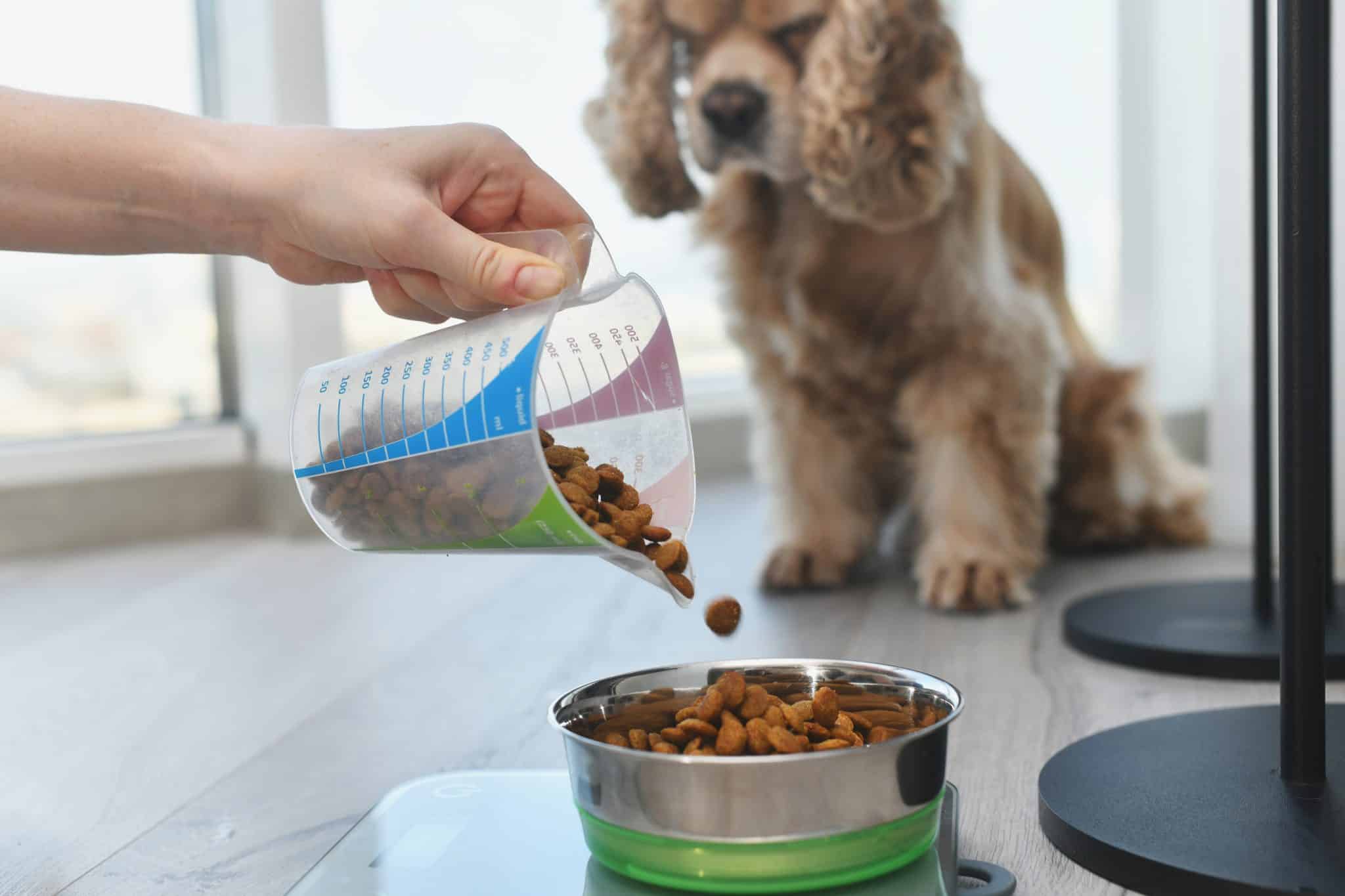
One thing that surprises many new Cavalier owners: these dogs tend to eat enthusiastically regardless of whether they’re hungry. Free-feeding (leaving food out all day) almost always leads to weight gain. Stick to scheduled meals with measured portions.
Vet Check Milestones for Cavalier Puppies and Adults
Regular vet visits aren’t just about vaccines. They’re your best tool for catching growth issues early. Here’s a simple timeline of key checkpoints:
8 Weeks
First vet visit, first set of core vaccines, fecal test for parasites. Your vet will assess body condition, weight, and development. This is also a good time to ask about a feeding plan specific to your puppy’s starting weight.
12 Weeks
Second vaccine round. Weight check. If your puppy isn’t gaining as expected, your vet can investigate parasites or food absorption issues at this point rather than waiting.
16 Weeks
Final puppy vaccines, rabies vaccine in most states. Teething is in full swing now (12-16 weeks is when it usually starts). A weight check here helps confirm the puppy is growing on a healthy curve.
6 Months
Pre-spay/neuter exam if that’s your plan. Some research suggests waiting until 12-18 months for Cavaliers can reduce joint and hormonal complications, so have that conversation with your vet before scheduling. Another weight and body condition check.
12 Months
Transition from puppy food to adult food typically happens here. Your vet can confirm whether your dog has reached adult size and is ready for the diet switch. Annual bloodwork often starts at this visit too.
Annual Exams (Adult)
Cavaliers are prone to Mitral Valve Disease (MVD), which is a heart condition that affects many of the breed by middle age. Yearly cardiac auscultation (stethoscope check) helps catch early signs. Weight and joint health checks every year are also standard. As your dog hits 7 or 8 years, senior bloodwork and a nutrition reassessment are worth discussing.
Staying on top of these checkups, making sure your Cavalier stays lean, and getting the right supplements for Cavalier puppies during growth are three of the most practical things you can do. Once they hit senior years, your approach will shift slightly — we’ve covered the best supplements for senior Cavaliers if you want to get ahead of that.
On a related note, don’t overlook parasite prevention as part of routine health care. A consistent flea and tick prevention plan for Cavaliers matters year-round, not just in summer.
Growth Rate: What to Expect Month by Month
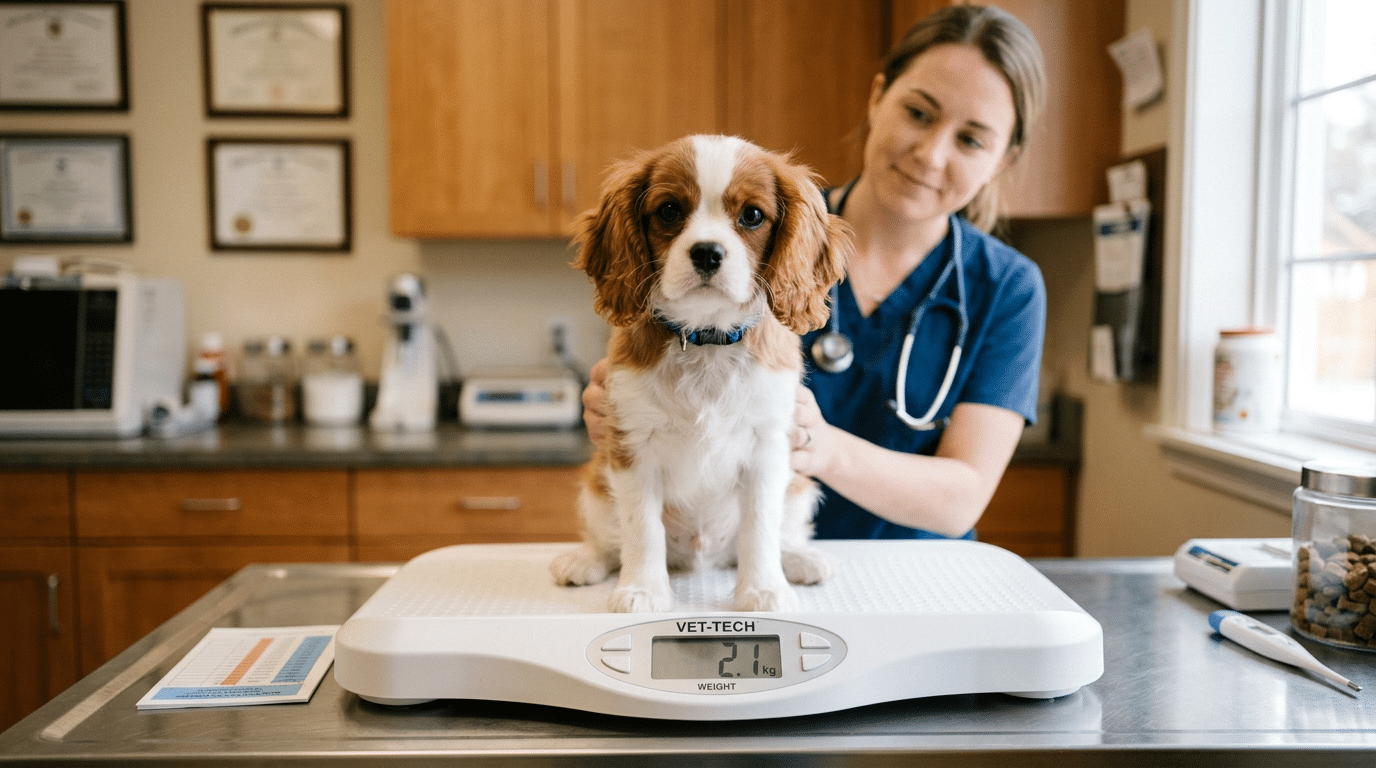
It helps to know what “fast growth” actually looks like for this breed. Cavaliers go through most of their growth in the first six months. From birth to 6 months, they’re putting on weight quickly — sometimes a pound or more per week during the busiest stretches.
After 6 months, the growth rate slows down noticeably. From 6-12 months, they’re still growing but more gradually. By 12 months, most Cavaliers are at or very near their adult height. Weight continues to fill in through 18 months or so, and some dogs add a pound or two between 18 months and 2 years as muscle mass develops fully.
Growth spurts are real. Don’t be alarmed if your puppy looks lanky for a few weeks — legs often grow faster than the rest of the body, which gives young dogs that slightly awkward, leggy look. It evens out.
If your puppy seems to stop gaining weight for two or three consecutive weeks during the first six months, mention it to your vet. A plateau that short usually isn’t a problem, but a longer stall is worth investigating.
Frequently Asked Questions About Cavalier King Charles Spaniel Weight
How big will my Cavalier puppy get when fully grown?
Most Cavaliers reach 12-18 pounds as adults, with males occasionally hitting 20 pounds. Height at the shoulder is typically 12-13 inches. Genetics plays a big role — look at the parents if you want the best prediction.
At what age is a Cavalier considered fully grown?
They hit their adult height around 12 months but keep filling out until about 18 months. Some dogs add a small amount of muscle mass between 18 months and 2 years.
How often should I feed my Cavalier puppy?
Three to four times daily until 12-16 weeks, then three times daily through 6 months. After 6 months, twice daily works well for most dogs. Keep portions measured — don’t eyeball it.
What does an overweight Cavalier look like?
The ribs are hard to feel through fat, there’s no visible waist from above, and the belly doesn’t tuck. Overweight Cavaliers also tire more easily and may be reluctant to jump or climb stairs.
My Cavalier’s weight is at the low end of the chart. Should I worry?
Not necessarily. If they have visible energy, a healthy coat, and you can feel but not see the ribs, they’re probably fine. Smaller bloodlines tend to run lighter. Ask your vet to assess body condition at the next visit.
When should I switch from puppy food to adult food?
Around 9-12 months for most Cavaliers. Your vet can confirm when your individual dog is ready. Don’t rush the transition — puppy food provides the calorie density and nutrients growing dogs need.
Are growth supplements necessary?
A high-quality puppy food handles most nutritional needs on its own. That said, some owners add omega-3 fatty acids or a joint-focused supplement, especially if there’s a family history of hip or joint issues. Check with your vet before adding anything.
Does spaying or neutering affect growth?
It can. Early spay/neuter (before 12 months) may influence growth plate closure timing, which could affect final height. Many vets now recommend waiting until 12-18 months for Cavaliers. Ask your vet what they recommend for your specific dog.
How much exercise does a growing Cavalier need?
Young puppies need short, gentle exercise — 5 minutes per month of age, twice daily, is a commonly used rule. Avoid high-impact running, jumping from heights, or long hikes until 12 months. Growing joints are more vulnerable than adult joints.
My Cavalier seems taller or shorter than average. Is that a problem?
Not on its own. Significant variation exists within the breed. If growth seems sudden or asymmetrical, or if your dog shows signs of discomfort, get a vet check. Otherwise, size variation is usually just genetics.
What health conditions should I watch for during growth?
Cavaliers can develop hip dysplasia, luxating patella (slipping kneecap), and early-onset Mitral Valve Disease. None of these are inevitable, but keeping your dog lean, limiting high-impact activity during puppyhood, and scheduling regular vet checkups are the best preventive measures you have.
How do I know if my Cavalier’s growth is on track?
Compare monthly weights to the charts above, do a monthly body condition check by feel, and keep up with scheduled vet visits. A puppy that’s gaining steadily, active, and eating well is almost certainly growing fine.
Bottom Line
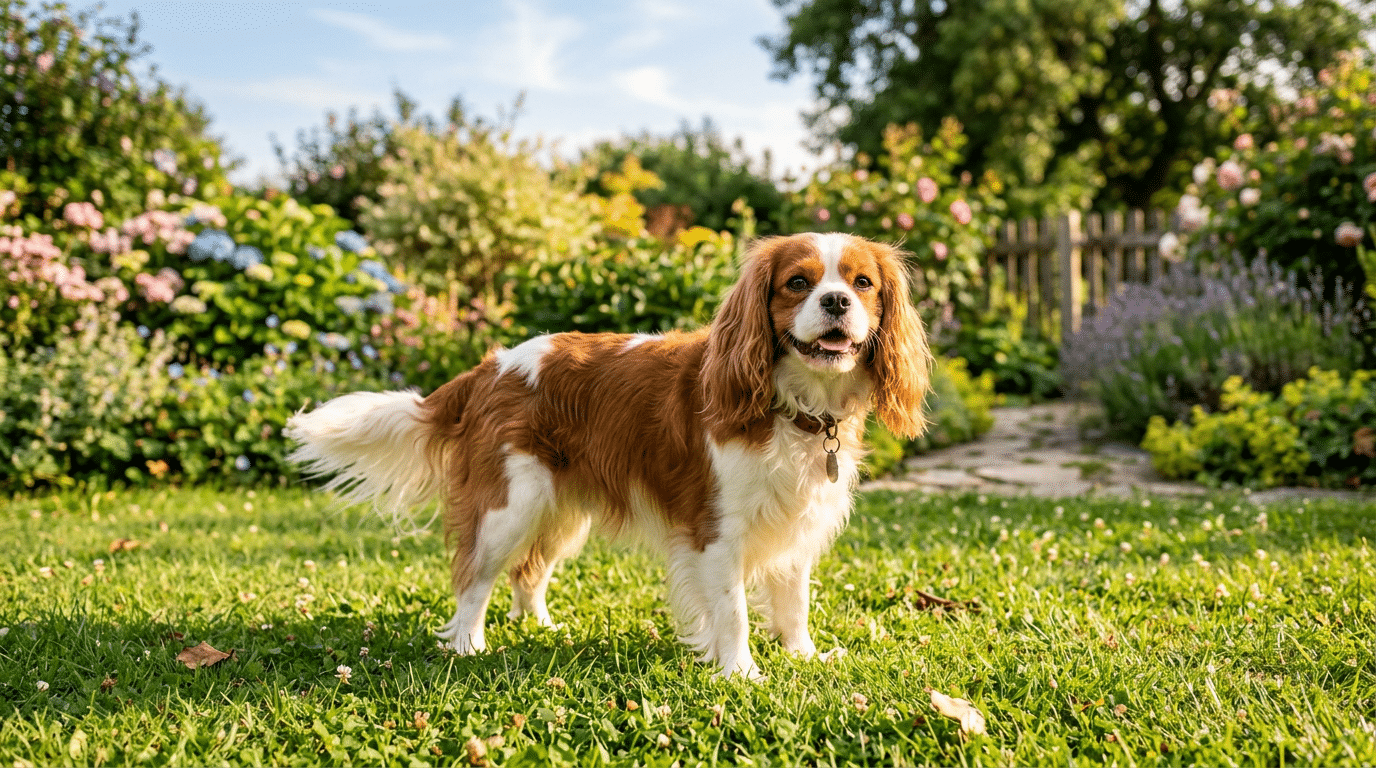
Cavalier King Charles Spaniels follow a fairly predictable growth curve. Males typically top out at 16-20 pounds, females at 14-18 pounds, and both reach full height around their first birthday. The growth charts above give you a solid reference point at every age from newborn through three years.
What matters most isn’t the exact number on the scale — it’s whether your dog has a healthy body condition, steady energy, and clear ribs you can feel but not see. Use the charts, do regular body checks, and keep up with vet appointments. That combination covers the bases better than any single data point.
If your Cavalier is running a bit outside the ranges here, don’t panic. Bring it up at your next vet visit and let your vet do a hands-on assessment. That’s always more reliable than a chart.
For more on keeping your Cavalier healthy at every life stage, check out our complete Cavalier King Charles Spaniel puppy checklist — it’s one of the more common challenges as these sensitive dogs grow up.




 English (US) ·