
 2 weeks ago
16
2 weeks ago
16
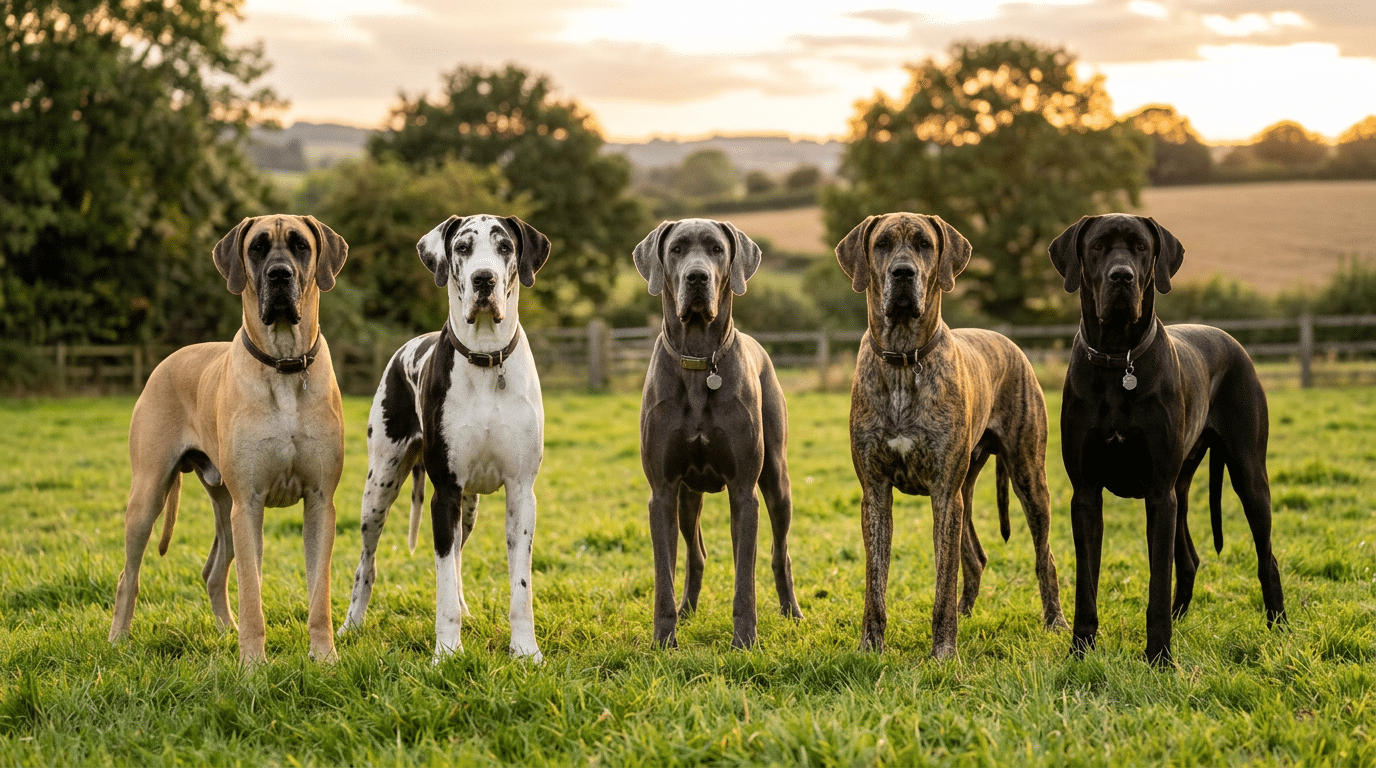
If you’ve ever stood next to a Great Dane, you know there’s something almost otherworldly about them. They’re enormous, yes. But it’s their coats that really stop people in their tracks. From deep jet black to ghostly harlequin, the range of great dane colors is wider than most people expect before they start researching the breed.
The American Kennel Club officially recognizes 7 coat colors and patterns for the breed. Some are easy to find from any reputable breeder. Others are so rare that you might search for months before finding a puppy. This guide covers all of them, including what causes each color genetically, which are considered non-standard, and what health risks (if any) come along with certain coat types. If you’re comparing Great Danes to other large breeds, check out our guide on dog breeds with soft temperaments and tough exteriors for more context on gentle giants.
Quick Reference: AKC-Recognized Great Dane Colors
| Fawn | Golden-tan with black mask | Yes | Very Common |
| Brindle | Fawn base with black stripes | Yes | Common |
| Black | Solid jet black | Yes | Common |
| Blue | Dilute black, steel-gray hue | Yes | Moderate |
| Harlequin | White base with black patches | Yes | Moderate |
| Mantle | Black blanket over white body | Yes | Moderate |
| Merle | Gray/blue mottled with black patches | Yes (limited) | Rare |
The 7 AKC-Recognized Great Dane Colors
1. Fawn
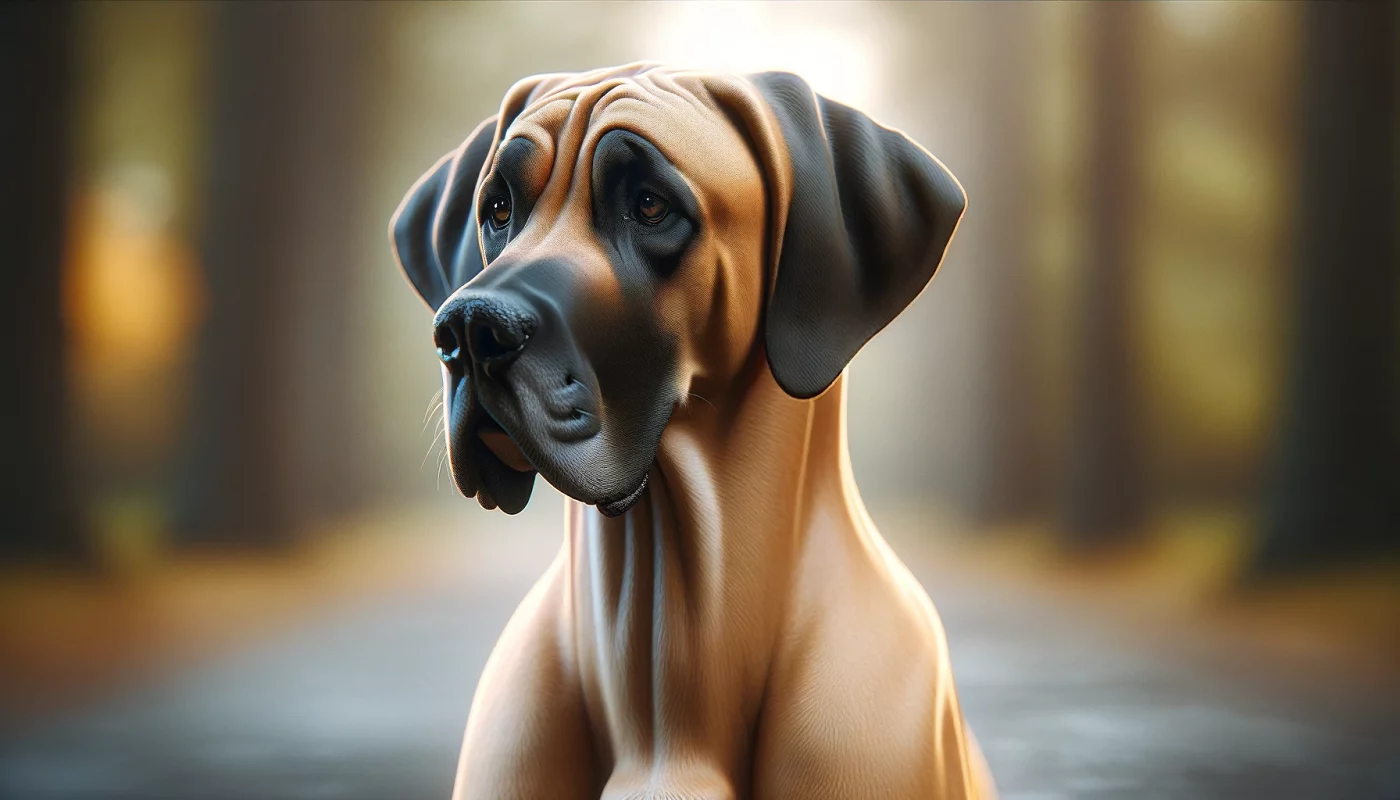
Fawn is the classic Great Dane look. Think Scooby-Doo. The coat is a warm golden-tan, ranging from a pale yellow-gold to a deeper amber, always paired with a black mask covering the muzzle, eye rims, and eyebrows. That contrast between the light body and the dark face is what makes fawn Danes so immediately recognizable.
This is the most common color you’ll see in the breed. It’s also the color most often chosen for advertising, TV appearances, and show rings. The AKC standard calls for a fawn base that is “yellow gold” with a “deep black” mask. Deviations like a washed-out pale fawn or a missing mask are considered faults in the show ring, but plenty of pet-quality fawn Danes have lighter or faded masks.
Genetically, fawn is produced by the agouti gene (specifically the Ay allele) combined with the K locus. It’s a dominant expression, which is part of why it shows up so frequently across litters.
2. Brindle

Brindle is fawn with black stripes layered over it, sometimes called “tiger striping.” The base is that same golden-tan as fawn, but it’s overlaid with black lines running roughly parallel across the body. How heavy those stripes are varies a lot from dog to dog. Some brindles are lightly striped with mostly gold showing through. Others are so heavily striped they look almost black from a distance.
The AKC standard also requires a black mask for brindle Danes, same as fawn. The brindle pattern is caused by the Kbr allele at the K locus, which sits between the dominant black (K) and the non-black (ky) in terms of dominance. It’s a pattern seen across many breeds, but on a dog the size of a Great Dane, those tiger stripes make quite a statement.
3. Blue
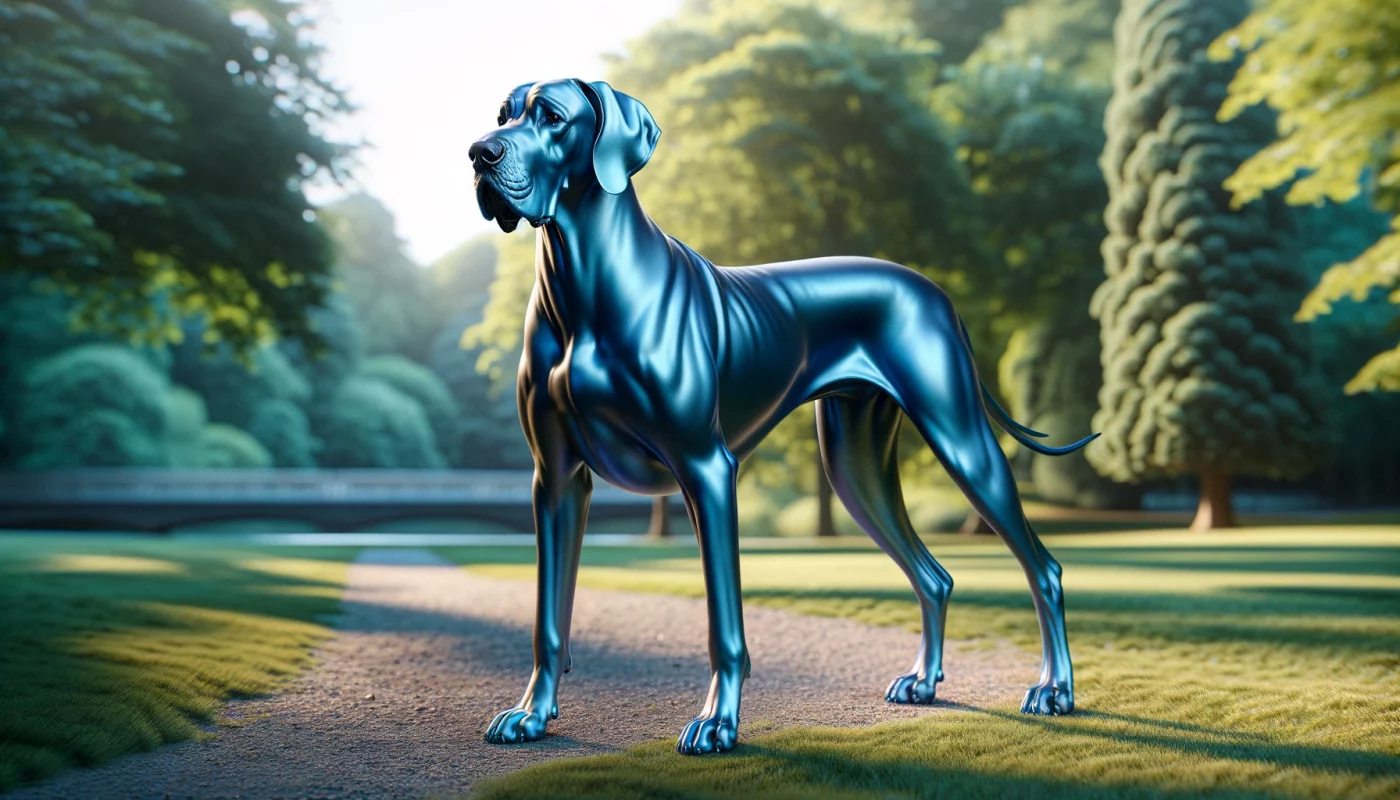
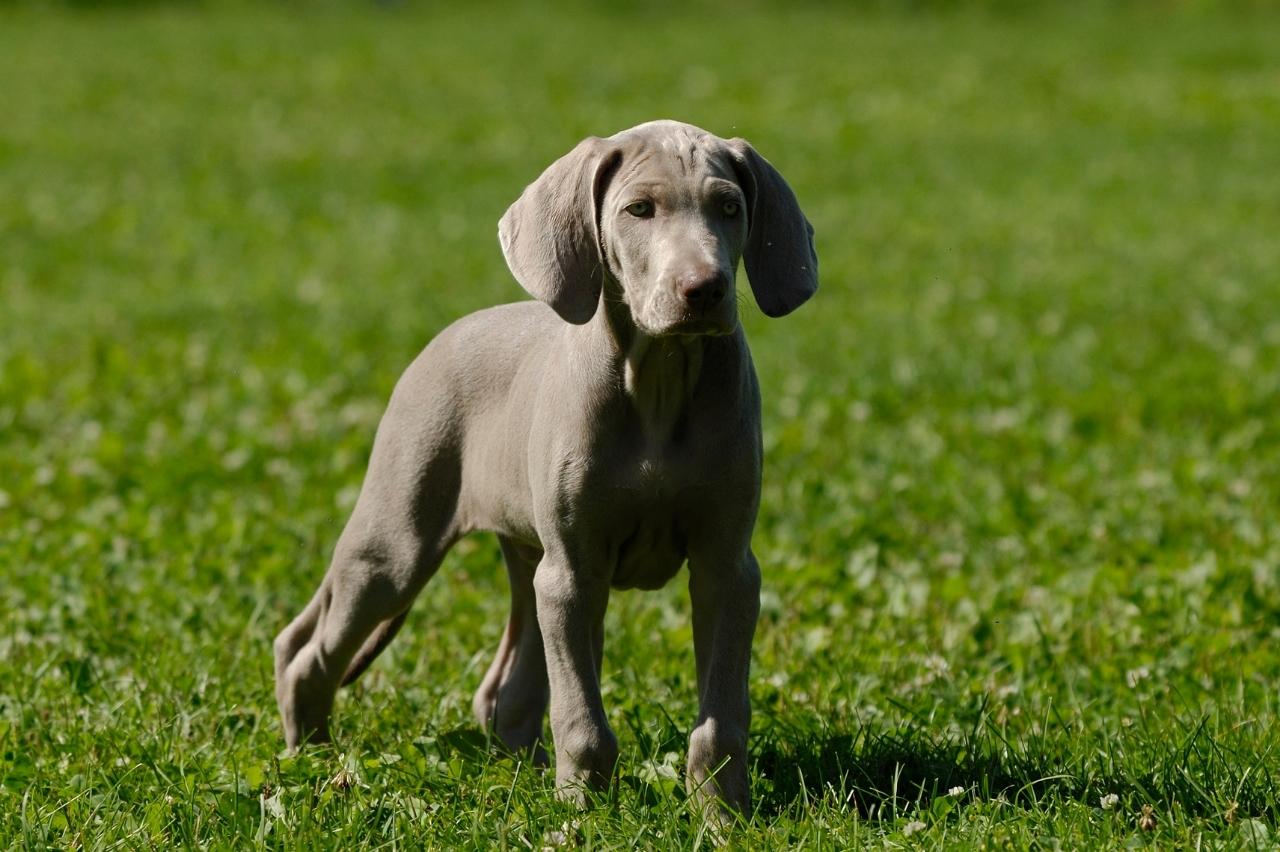
Blue Great Danes aren’t actually blue, of course. The name refers to that cool steel-gray tone that can range from silvery light gray to a deeper slate. It’s a dilute form of black, caused by two copies of the d allele at the dilution locus. Because it’s recessive, both parents have to carry the dilute gene for a puppy to express it.
Blue Danes are a bit harder to find than fawn or brindle, which is part of why they’re so popular with people who want something less common. The AKC accepts blue as a standard color with a solid, even tone. White markings are allowed on the chest and toes but aren’t preferred. Their coats are unusually glossy, which adds to that striking silver sheen in sunlight.
4. Black

A solid black Great Dane is one of the most striking dogs you’ll ever see. The coat is glossy, dense, and deep black from nose to tail. No mask needed, no white markings preferred (though small white spots on the chest or toes are tolerated). Just pure, polished black.
Black is genetically dominant in Great Danes. The K allele overrides most other pigment expression, which is why black shows up fairly reliably across breeding lines. Show dogs should have no brindle striping or bronzing, and the coat should look jet black, not brownish, in any lighting. Many owners note that black Danes tend to look especially regal at night or in low light, when their size becomes more apparent than their color.
5. Harlequin
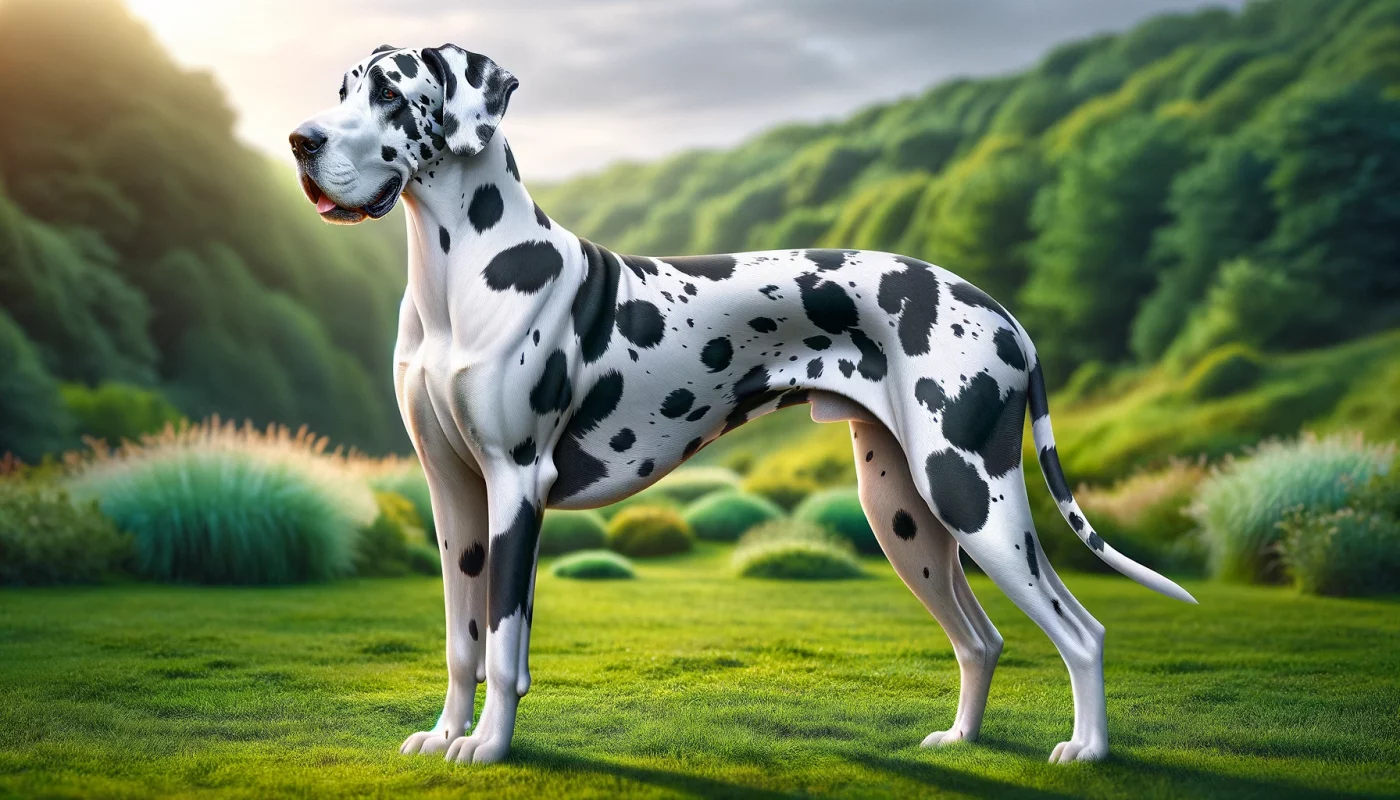
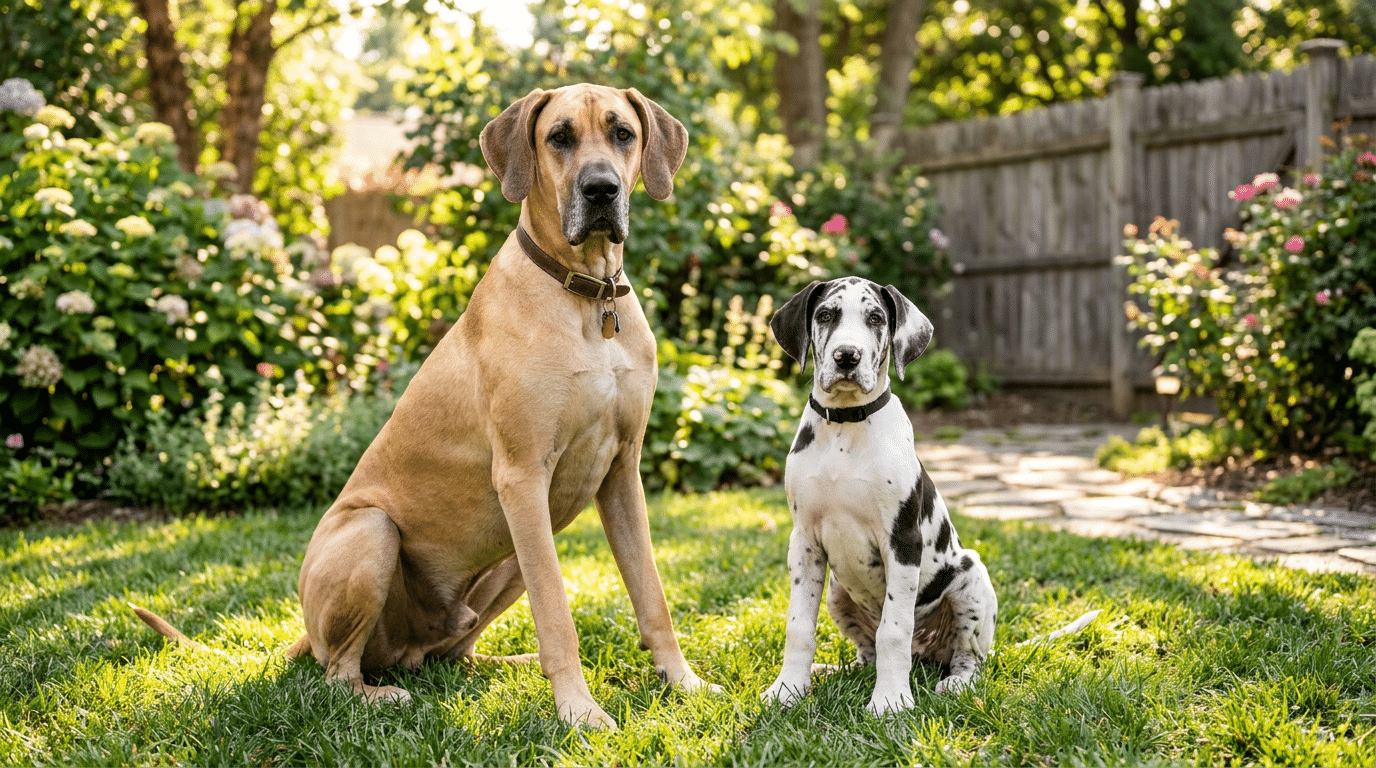
Harlequin is arguably the most dramatic of all the great dane colors. The base coat is pure white, dotted with irregular black patches scattered across the body. No two harlequin Danes look the same. Each dog has a completely unique patch layout, which is part of what makes them so sought after.
But here’s the tricky part: harlequin is genetically one of the hardest patterns to produce correctly. It requires two specific genes working together, the merle gene (Mm) and a rare modifier gene called the harlequin gene (H). Without both, you don’t get true harlequin. And here’s the problem: two copies of the harlequin gene (HH) is lethal in embryos, so you can never breed two harlequins together and expect viable litters. Many puppies in harlequin litters end up as merle, mantle, or black instead. True show-quality harlequins make up a small fraction of any given litter.
6. Mantle
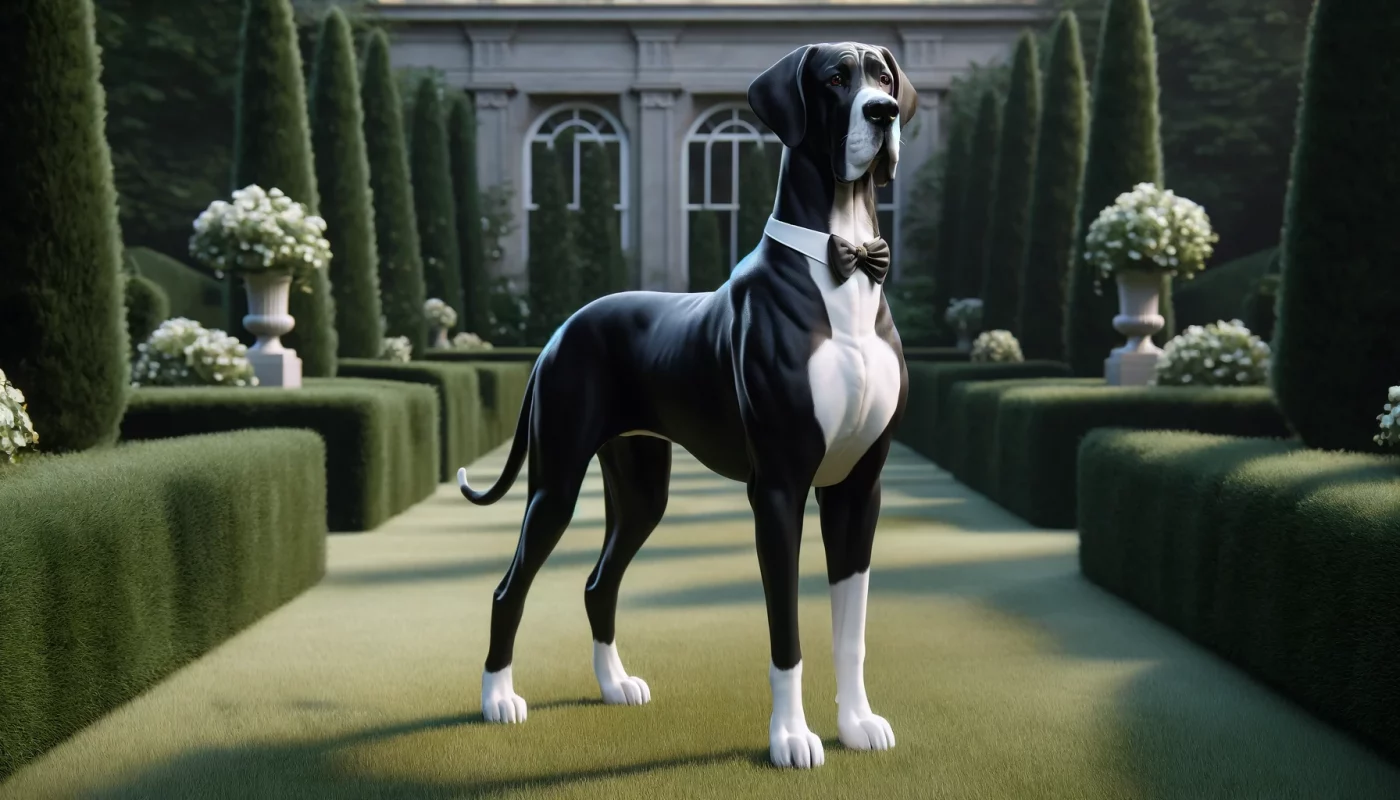
Mantle Danes look like they’re dressed for a black-tie event. The body is mostly black, with white appearing on the muzzle, chest, neck, part of the forelegs, and the tip of the tail. It’s often described as a “black blanket” draped over a white dog. The AKC standard requires a symmetrical black mantle covering the body, with a white collar and white on all four legs.
Mantle was formerly called “Boston” because of its resemblance to the Boston Terrier’s markings. The name changed officially in the early 2000s. Mantle typically comes out of harlequin breeding programs, since it shares the same black-and-white base genetics. You’ll often find mantle puppies in the same litters as harlequin and merle pups.
7. Merle
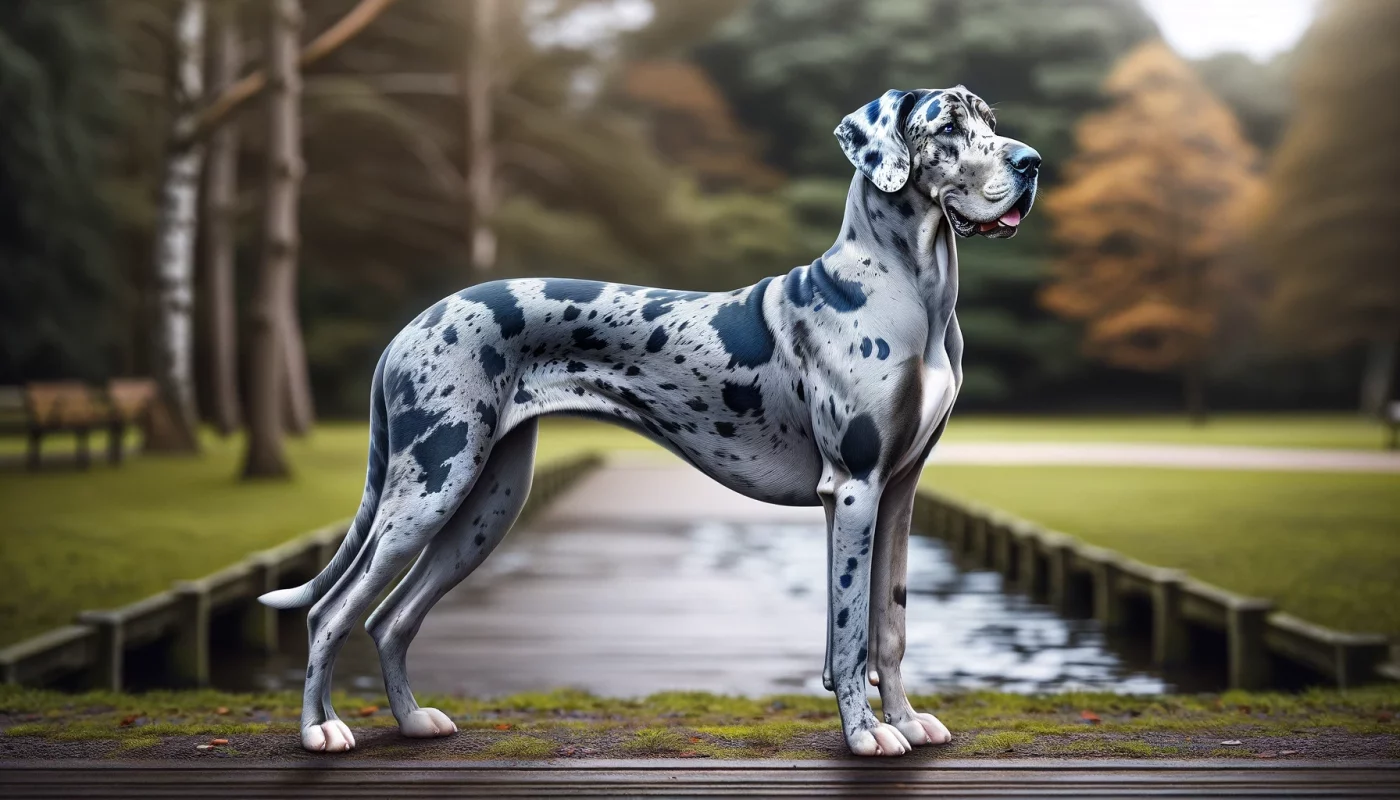
Merle Great Danes have a coat that looks like someone poured gray, blue, and black together and swirled them before the paint dried. The pattern is marbled, irregular, and varies wildly between individual dogs. Some merles are mostly light gray with dark patches. Others lean heavier toward the darker tones. Blue eyes or heterochromia (one blue eye, one brown) are common in merle Danes, which only adds to their striking appearance.
Merle is one of the more controversial great dane colors among breeders, not because of looks, but because of health risks. A merle Dane carrying two copies of the merle gene (double merle, sometimes called “white” Danes) faces serious risks of deafness and eye defects. Single merle (Mm) Danes are generally healthy. For a deeper look at the merle pattern across breeds, see our full guide on merle dog breeds and the health facts behind the pattern.
Non-Standard and Rare Great Dane Colors
Beyond the 7 recognized colors, Great Danes can also come in several non-standard shades. These dogs can’t compete in AKC conformation shows, but they’re perfectly valid as pets. You should know about them if you’re buying a puppy.
Fawnequin is like harlequin but with fawn patches instead of black ones on a white base. It happens when the harlequin gene interacts with the fawn color. Pretty, but disqualified in the show ring.
Merlequin is a term some breeders use for dogs that look like a harlequin with merle-toned (gray/blue) patches instead of solid black ones. Again, interesting to look at, but not show-eligible.
White Great Danes (double merle) are mostly white with minimal pigmentation. They’re at serious risk for deafness and vision problems. Responsible breeders don’t deliberately produce white Danes. If a breeder is selling “rare white” Great Danes at a premium, that’s a red flag.
Blue brindle combines the dilute blue color with brindle striping. The stripes appear on a gray-blue base. Visually striking, but not standard.
Great Dane Color Rarity and Breeding Difficulty
| Fawn | Easy | None specific to color | None |
| Brindle | Easy | None specific to color | None |
| Black | Easy | None specific to color | None |
| Blue | Moderate (recessive) | Color dilution alopecia risk | +$100-300 |
| Mantle | Moderate | None specific to color | +$100-200 |
| Harlequin | Difficult | Deafness risk if mismanaged | +$300-800 |
| Merle | Difficult (health risks) | Hearing/vision issues (double merle) | +$200-500 |
The Genetics Behind Great Dane Colors
You don’t need a biology degree to understand Great Dane coat genetics, but a basic overview helps when talking to breeders. Most coat colors come down to just a few gene loci.
The E locus controls whether any black or yellow pigment can be expressed at all. The K locus determines whether the dog is solid black, brindle, or fawn. The A locus controls the shade and distribution of yellow-to-red pigment. And the D locus is where dilution happens, turning black into blue and reducing pigment intensity overall.
Harlequin and merle have their own separate gene loci that modify the base colors. Merle (M locus) dilutes random sections of the coat. The harlequin gene (H locus) then strips most of the gray from merle regions, leaving only the darkest patches on white, which is how you get the clean black-on-white harlequin look.
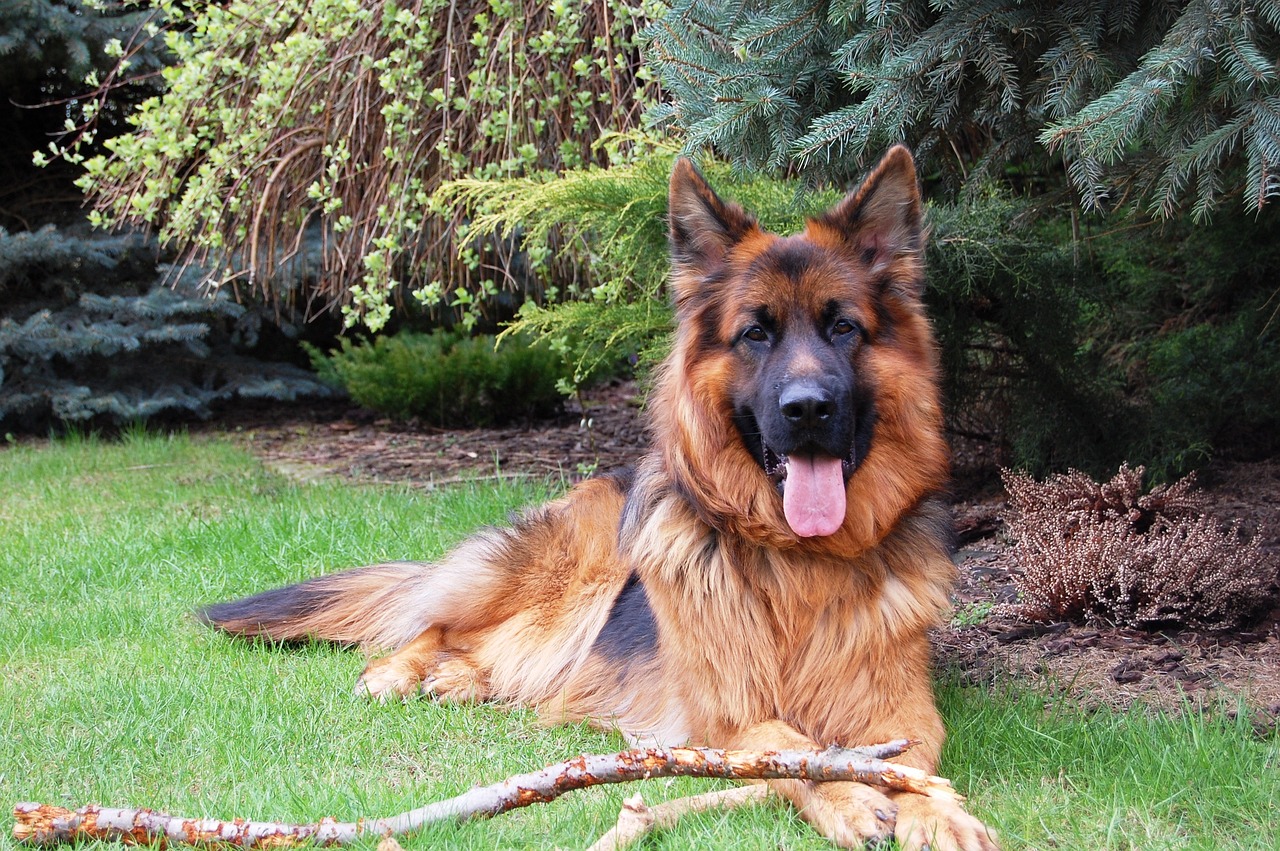
The interaction between these genes is why harlequin litters are so unpredictable. Breed a harlequin to a mantle and you might get harlequins, mantles, merles, blacks, and even fawn puppies in the same litter depending on what each parent carries. For context on how this compares to other large breeds, our guide to German Shepherd colors explained shows a similarly complex but different genetic picture.
One important note: coat color in Great Danes has no effect on temperament. A merle Dane isn’t any more or less gentle than a fawn one. The breed’s famous calm, affectionate personality comes from decades of selective breeding, not from coat pigment. Great Danes consistently rank among the most recognizable dog breeds starting with G, and their temperament is a big reason why.
Frequently Asked Questions About Great Dane Colors
What are the 7 AKC-recognized Great Dane colors?
The AKC officially recognizes fawn, brindle, black, blue, harlequin, mantle, and merle. Each has specific breed standard requirements. Fawn requires a black mask. Brindle requires a fawn base with black stripes and a black mask. Blue must be solid and even-toned. Harlequin is white with irregular black patches. Mantle is black with specific white markings on the muzzle, chest, and legs. Merle is the marbled gray-and-black pattern. The first five have been standard for much longer; merle was added to the AKC standard more recently.
Which Great Dane color is rarest?
True show-quality harlequin is widely considered the hardest to produce and find. It requires two specific genes to align correctly, and even purpose-bred harlequin litters produce only a portion of correctly marked puppies. Merle with very clean patterning is also hard to find. Double merle (white) Danes are rare but for all the wrong reasons, and responsible breeders avoid producing them intentionally.
Do Great Dane colors affect health?
In most cases, no. Fawn, brindle, black, and mantle Danes don’t have any color-linked health conditions. Blue Danes occasionally develop color dilution alopecia (CDA), a skin and coat condition caused by the dilution gene, though not all blue Danes are affected. Merle Danes can face hearing and vision problems if they inherit two copies of the merle gene (double merle). Harlequin litters must be managed carefully for the same reason. Single merle Danes with one copy of the gene are generally healthy.
Can a Great Dane change color as it grows?
A little, yes. Fawn puppies sometimes deepen in color as they mature. Blue coats can shift slightly in shade. Harlequin puppies may see their patches shift or slightly reorganize during growth. But the base color stays consistent. You won’t see a fawn puppy turn brindle, for example. The fundamental genetic expression is fixed at birth.
What color Great Dane is best for families?
Color doesn’t determine how good a family dog a Great Dane will be. Temperament comes from breeding, socialization, and training, not coat pigment. That said, if you’re worried about health, fawn, brindle, and black are the most straightforward colors with no known color-linked conditions. Great Danes are already one of the gentler large breeds. You can read more about that in our piece on large dog breeds with surprisingly gentle personalities.
Are merle Great Danes recognized by the AKC?
Yes, merle was added to the AKC breed standard for Great Danes. Single merle Danes can compete in conformation shows. However, double merle Danes (mostly white with very little pigment) are disqualified. The key distinction is the genetic makeup: one merle gene copy (Mm) is accepted; two copies (MM) is not. For more on merle genetics across breeds, see our complete guide to merle dog breeds.
How long do Great Danes live, regardless of color?
Great Danes typically live 7 to 10 years. It’s one of the shorter lifespans among dog breeds, mostly due to their giant size and the health challenges that come with it, like bloat (GDV) and heart conditions. Coat color doesn’t meaningfully affect lifespan. For comparison with other breeds, our guide to dog breeds with the longest lifespans puts the Great Dane’s shorter timeline in perspective.
Choosing a Great Dane Color: What Actually Matters
Here’s the honest truth: the color you pick matters a lot less than where you get the dog. A harlequin from a health-tested breeder will be a far better dog than a fawn from a backyard operation. Coat color is fun to research, but it shouldn’t be the main filter in your search.
That said, there are some practical considerations. If you’re drawn to merle or harlequin, make sure the breeder does BAER (Brainstem Auditory Evoked Response) testing on all puppies to screen for deafness. If you want blue, ask whether the parents or any prior litters have shown signs of color dilution alopecia. These aren’t dealbreakers, just questions worth asking.
Fawn, brindle, and black are the most straightforward choices for someone who wants a Great Dane without the color-linked health complexity. They’re also the easiest to find from reputable breeders. But if you fall in love with a harlequin? Go for it. Just do your homework on the breeder first.
Great Danes are one of the most recognizable breeds in the world, and a lot of that comes down to their color variety. Whether you’re drawn to the classic fawn look or the dramatic patchwork of a harlequin, there’s a color and pattern in this breed for almost every taste. For more on what makes this breed special, check out our list of dog breeds starting with G worth knowing, where the Great Dane earns its spot near the top.





 English (US) ·