
 2 weeks ago
14
2 weeks ago
14
Merle is one of the most striking coat patterns in the dog world. That swirling, marbled mix of dark patches over a lighter base turns heads at every dog park. But merle is more than good looks. It’s a specific genetic pattern with real implications for your dog’s health, especially when breeders don’t handle it responsibly.
This guide covers 15+ merle dog breeds, how the pattern looks in each one, what actually causes it, and what you need to know about double merle health risks before choosing a puppy. Whether you’re drawn to the spotted blue merle of an Australian Shepherd or the dappled chocolate pattern on a Dachshund, you’ll find everything here.
Merle Genetics at a Glance
| Mm (one merle allele) | Standard merle pattern | Very low — normal health expected |
| MM (two merle alleles) | Double merle (mostly white) | HIGH — deafness and blindness common |
| mm (no merle allele) | Solid or non-merle pattern | None from this gene |
| Cryptic merle (Mc) | Minimal or hidden merle expression | Risk when bred to merle |
What Is the Merle Pattern?
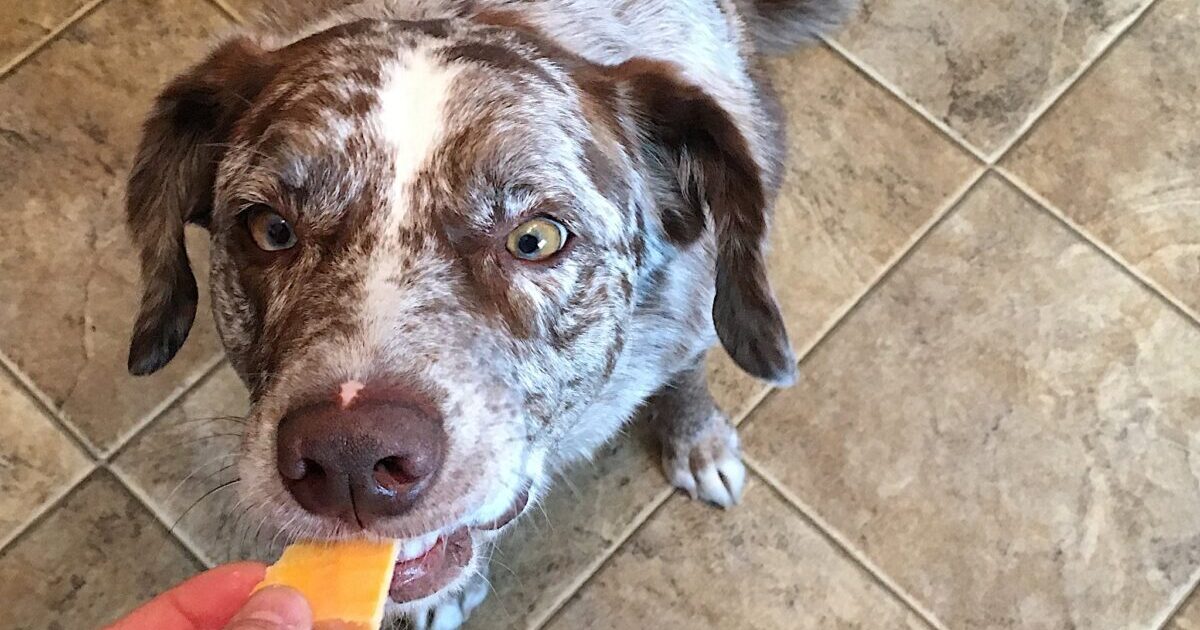
Merle is caused by the PMEL gene variant that randomly dilutes patches of pigment in the coat. The result is a mottled or marbled appearance, with irregular patches of full-color mixed into a diluted base. Eye color is also affected. Blue eyes, heterochromia (two different colored eyes), and partially blue eyes are all common in merle dogs.
The exact pattern varies from dog to dog. No two merles look exactly alike, which is part of the appeal. A blue merle has a gray base with black patches. A red merle has a beige or tan base with reddish-brown patches. Some merles carry additional modifiers that produce chocolate, lilac, or slate variations.
One important thing to understand: merle is a dominant gene. One copy (Mm) produces the pattern. Two copies (MM) produce a double merle, which usually means a mostly white dog with a high risk of being deaf, blind, or both. Responsible breeders never breed two merle dogs together.
15+ Merle Dog Breeds
1. Australian Shepherd
The Australian Shepherd is probably the first breed that comes to mind when you think merle. Blue merle Aussies have a silver or gray base coat with patches of black and often copper or white trim. Red merle Aussies swap those black patches for rich reddish-brown on a cream or buff base. The breed is closely related to other herding breeds known for high intelligence and energy, and the merle pattern is one of the four accepted colors recognized by the AKC.
Aussies are one of the breeds where double merle is unfortunately still common due to inexperienced breeding. Always ask to see genetic tests on both parents before buying a merle Aussie puppy.
2. Border Collie
Border Collies come in merle, though you’ll see it less often than in Aussies. Blue merle is the most common expression in the breed, showing as a mix of black, gray, and silver with typical white and tan markings. Some Border Collies carry a red merle pattern too, though this is rarer.
The merle gene in Border Collies works the same way it does in other breeds. A Mm dog has a healthy, beautiful coat. A MM dog is likely to have serious sensory issues. Since Border Collies are already incredibly sensitive dogs with high mental demands, adding deafness or blindness to the mix makes ownership significantly harder.
3. Shetland Sheepdog (Sheltie)
Shelties are another herding breed with strong merle representation. Blue merle is one of the three official AKC colors for the breed. A blue merle Sheltie has a silvery-gray base coat with black marbling and the breed’s characteristic white and mahogany markings. The effect is stunning, especially with Shelties’ thick double coats and flowing mane.
If you’re considering a merle Sheltie, know that the breed carries a unique complication. Shelties also have the gene for white factoring, which can interact with merle to produce mostly white puppies even when breeding a merle to a non-merle. Reputable breeders test for this. If you want to browse Sheltie names or learn more about the breed, check out our guide to Sheltie names and their meanings.
4. Catahoula Leopard Dog
The Catahoula Leopard Dog is Louisiana’s state dog and one of the most visually dramatic merle breeds. Their pattern is actually called “leopard” rather than merle, but genetically it’s the same thing. Catahoulas can show blue merle, red merle, chocolate merle, and a host of patchwork variations with multiple colors blending together.
Their eyes are especially notable. Glass eyes (solid blue), cracked glass (partial blue and brown), and completely mismatched eye colors are all common and considered breed-appropriate. Catahoulas are working dogs first and foremost. They need a lot of space and a specific kind of owner who understands their independence.
5. Dachshund (Dapple)
In Dachshunds, the merle pattern goes by a different name: dapple. A dapple Dachshund has lighter patches or spots scattered over the base coat. Black and tan dapples, chocolate and tan dapples, and even cream dapples all exist. The pattern can be subtle or quite dramatic, depending on how much lighter pigment the dog inherited.
Double dapple Dachshunds (the equivalent of double merle) are unfortunately still bred intentionally in some circles because of how striking they look. They’re typically mostly white with patches, and carry serious risks of being deaf, blind, or having microphthalmia (abnormally small eyes). Never buy a double dapple on purpose, and be cautious of breeders who offer them. The Dachshund’s unique build already comes with IVDD risk — there’s no reason to add sensory deficits on top.
6. Great Dane
Great Danes have their own version of merle called harlequin. Harlequin is actually a pattern unique to Great Danes where a merle gene works alongside a separate harlequin modifier gene, producing a white dog with large, well-defined black patches. Standard merle Great Danes also exist, showing the typical mottled gray and black appearance.
Breeding two harlequin Great Danes together is risky for the same double-merle reasons, with the added complexity that the harlequin modifier gene is lethal when inherited in a double copy. Most reputable Great Dane breeders stick to harlequin-to-Mantle or harlequin-to-solid crosses.
7. Cardigan Welsh Corgi
The Cardigan Welsh Corgi is one of the few Corgi types that officially comes in merle. The Pembroke Welsh Corgi does not carry the merle gene. Cardigan blue merle is a blue-gray base with black mottling, often with white markings and tan points. Some Cardigans also show red merle, which blends sable and red-gold tones in a marbled pattern.
Cardigans are less common than Pembrokes overall, so merle Cardigans can be hard to find from responsible breeders. But they’re well worth seeking out for anyone who wants a merle dog in a compact, lower-energy package compared to Aussies or Border Collies.
8. Rough Collie
The Rough Collie (think Lassie) comes in blue merle as one of four accepted coat colors. A blue merle Rough Collie is particularly striking given the breed’s abundant double coat. The merle appears as a silver-blue base with black patches, accented with white and sable markings. The sheer volume of fur on a Rough Collie makes the merle pattern look almost three-dimensional.
9. Smooth Collie
Smooth Collies are essentially Rough Collies with a shorter, flatter coat. They carry the same color genetics, including blue merle. Because the coat is less voluminous, the merle pattern is more visible and clearly defined. Smooth Collies are often overlooked in favor of their fluffier counterparts, but they’re actually easier to maintain and just as lovely.
10. Miniature American Shepherd
The Miniature American Shepherd (MAS) was developed from small Australian Shepherds, which means it inherited the merle gene. Blue merle and red merle are both standard for the breed. MAS dogs look like compact Aussies with identical color patterns in a smaller package, typically 14 to 18 inches tall and 20 to 40 pounds.
These dogs are a great option if you love the merle Aussie look but want something smaller for apartment or city living. They’re still herding dogs with significant energy needs, but their smaller size makes a difference.
11. Chihuahua
Merle Chihuahuas exist but are controversial. The merle gene doesn’t naturally occur in the Chihuahua breed. Merle Chis were likely produced by crossing with another merle breed at some point and then breeding back. Some registries won’t accept merle Chihuahuas for this reason.
Health-wise, merle Chihuahuas carry the same double merle risks as any other breed. The “rare” and “exotic” marketing around merle Chis often signals a breeder prioritizing novelty over welfare. Proceed with serious caution.
12. Pomeranian
Same story as Chihuahuas. Merle isn’t naturally occurring in Pomeranians. Merle Poms showed up after crosses with other breeds were introduced into the gene pool. A merle Pomeranian has patches of lighter and darker coloring in the coat, sometimes with blue eyes, and they do look striking.
But buyer beware: merle Pomeranians often command very high prices, and the combination of a small gene pool and merle-to-merle breeding means health risks are elevated. Always insist on genetic testing documentation from any breeder selling a merle Pom.
13. Cocker Spaniel
Merle Cocker Spaniels pop up occasionally, again likely from introduction of the gene through crossbreeding. The pattern is particularly striking in Cocker Spaniels because the coat is so long and wavy. A merle Cocker might show silvery patches through their black or chocolate base coat, often with the blue eye expression common in merle dogs.
14. Alapaha Blue Blood Bulldog
The Alapaha Blue Blood Bulldog is a rare American breed developed in the Deep South as a catch dog. They frequently carry merle genetics and have a distinctive blue or gray merle coat with white markings. Unlike many of the breeds on this list, merle appears to be a longstanding natural part of the Alapaha’s gene pool rather than a recent introduction.
15. Louisiana Catahoula Leopard Mix (Catahoula Mixes)
Because Catahoulas are strong merle carriers, their mixes frequently display merle patterns even when the other breed doesn’t normally carry the gene. Catahoula-Lab mixes, Catahoula-Boxer mixes, and Catahoula-Hound mixes all commonly turn up with leopard or merle patterns in shelters. If you’re seeing a spotted dog at your local rescue, there’s a good chance there’s some Catahoula in there.
16. Aussiedoodle
Aussiedoodles (Australian Shepherd-Poodle crosses) frequently carry merle because one parent is an Australian Shepherd. Blue merle and red merle Aussiedoodles are popular, and the pattern can look especially unique in a wavy or curly Poodle-influenced coat. The genetics still apply though. If both parents carry merle, double merle offspring are possible. With hybrid dogs, testing is if anything more important because breeders may be less experienced with merle genetics.
Understanding Merle Genetics
The merle pattern is caused by a retrotransposon insertion in the PMEL17 gene that interrupts pigment production in some cells but not others. The result is that random patches of the coat lose full color intensity, creating the mottled look we associate with merle.
The gene works on a spectrum. “Cryptic” merle dogs carry the gene but show little to no visible pattern. They can look like solid-colored dogs. The problem is, when a cryptic merle breeds with a visible merle, the offspring can still be double merle. This is how double merle puppies sometimes show up unexpectedly even from breeders who claim they’re not merle-to-merle breeding.
DNA testing before breeding is the only way to be certain. A test identifies the allele length, which indicates whether a dog is mm (non-merle), Mc (cryptic), M (standard merle), or Mh (harlequin merle). Responsible breeders in all merle breeds test every breeding dog.
The Double Merle Problem
Double merle (MM) dogs inherit one merle allele from each parent. The double dose dramatically amplifies pigment disruption. These dogs are typically 75-100% white, with pigment appearing only in a few small patches. Their eyes and ears are disproportionately affected.
Studies estimate that double merle dogs have an 85-90% chance of being deaf in at least one ear, and a significant percentage are bilaterally deaf. Blindness, microphthalmia (undersized eyes), and missing eyes are also common. Some double merles are otherwise healthy and live normal lives with deaf owners or experienced handlers, but they require specific management.
Never seek out a double merle puppy based on appearance. Breeders who intentionally produce double merles are prioritizing coat color over the welfare of the dogs they’re producing. Those are not breeders worth supporting.
Merle and Eye Color
One of the things people love most about merle dogs is the eye color variation. The same gene that disrupts coat pigment can affect the eyes. Blue eyes in merle dogs are caused by reduced melanin in the iris. This can present as a completely blue eye, a partially blue eye (sometimes called a “split eye” or “cracked glass”), or two different colored eyes (heterochromia).
These eye colors are generally just cosmetic. A merle dog with blue eyes doesn’t have worse vision than a brown-eyed merle dog. The problematic eye issues (microphthalmia, missing eyes) are specifically associated with double merle, not single merle.
Merle Breed Quick Reference
| Australian Shepherd | Blue Merle / Red Merle | Yes |
| Border Collie | Blue Merle | Yes |
| Shetland Sheepdog | Blue Merle | Yes |
| Catahoula Leopard Dog | Leopard | Yes (UKC/AKC FSS) |
| Dachshund | Dapple | Yes |
| Great Dane | Harlequin / Merle | Yes |
| Cardigan Welsh Corgi | Blue Merle / Red Merle | Yes |
| Rough Collie | Blue Merle | Yes |
| Miniature American Shepherd | Blue Merle / Red Merle | Yes |
| Chihuahua | Merle | Controversial |
How to Choose a Healthy Merle Dog
If you want a merle dog, your best bet is sticking with breeds where merle is an established, naturally occurring part of the gene pool: Australian Shepherds, Shelties, Border Collies, Catahoulas, Cardigans, or Collies. In these breeds, reputable breeders have been working with the pattern for generations and understand the genetics.
Here’s what to look for in any merle breeder:
- DNA health testing results for both parents, including merle gene testing
- Confirmation that neither parent is a double merle
- A willingness to explain the genetics and answer questions without pressure
- Puppies available to visit in person before commitment
- Breeding for temperament and structure, not just coat color
Be cautious of breeders advertising “rare” merle colors, exotic merle varieties, or double merle dogs as desirable. In the world of responsible dog breeding, a double merle isn’t rare and special. It’s a preventable mistake. Dogs that look similar to a large soft-natured breed but with dramatic merle coloring may come from sketchy breeding programs worth investigating before buying.
Some truly stunning coat patterns exist across many breeds. If you’re interested in coat color genetics more broadly, see how Pit Bull coat colors work or how Rottweiler color genetics produce their signature patterns.
 Australian Shepherds are one of the most popular merle dog breeds, known for their dramatic blue merle and red merle coat patterns.
Frequently Asked Questions About Merle Dog Breeds
Are merle dogs rare?
In breeds where merle is an accepted color, like Australian Shepherds and Shelties, merle dogs aren’t particularly rare. They’re produced regularly by reputable breeders. In breeds where merle isn’t a natural occurrence, like Chihuahuas or French Bulldogs, merle dogs do appear less often but are typically the result of controversial breeding practices.
Do merle dogs have more health problems?
Single merle dogs (one copy of the gene, Mm) have no higher health risks than non-merle dogs. The health concerns are specifically about double merle (MM), where two copies cause significant pigmentation disruption affecting hearing and vision. A merle dog from a responsible breeder with tested parents is not inherently unhealthy.
Can two non-merle dogs produce a merle puppy?
Generally, no. Merle is dominant, so at least one parent needs to carry the gene. The exception is cryptic merle. A cryptic merle dog looks solid-colored but carries a minimal merle allele. If two cryptic merles breed, they can potentially produce visible merle offspring. This is why DNA testing matters even in breeds where merle doesn’t appear to be present.
What does blue merle actually look like?
Blue merle is a silver-gray or slate base coat with black marbling and patches scattered throughout. The “blue” refers to the underlying dilute black pigment that creates the grayish tones. Many blue merle dogs also have white markings and copper or tan points depending on the breed. Blue eyes or partial blue eyes are common in blue merle dogs.
Is the merle gene dangerous?
Not in single form. One copy of the merle gene produces the pattern with no significant health risks. Two copies (double merle) cause serious problems with hearing and vision in a high percentage of dogs. The gene itself isn’t dangerous. Irresponsible breeding practices that produce double merle dogs are the actual issue.
Can merle dogs compete in AKC shows?
It depends on the breed. In breeds where merle is an officially recognized color (Australian Shepherd, Shetland Sheepdog, Cardigan Welsh Corgi, etc.), merle dogs absolutely can compete. In breeds where merle is not recognized or is considered a disqualification, merle dogs cannot compete in conformation. Always check the specific breed standard if showing is your goal.
Which merle breed is best for families?
Australian Shepherds, Miniature American Shepherds, and Shetland Sheepdogs are all known to be affectionate, trainable, and good with families. The Cardigan Welsh Corgi is another excellent family option with a bit less intensity than the herding breeds. Catahoulas are better suited to experienced owners given their independent, working dog temperament.
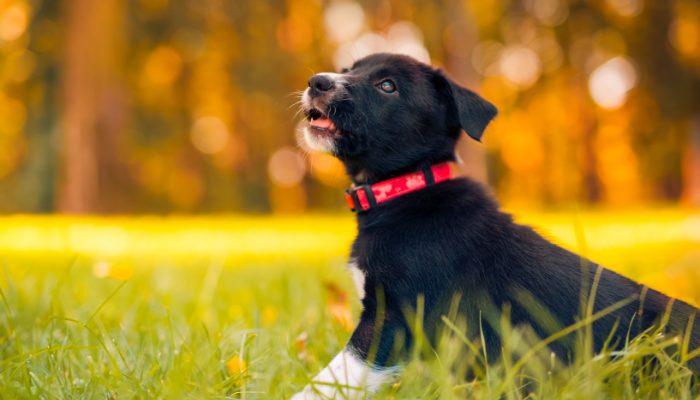
 Merle puppies from the same litter can show dramatically different patterns. No two merle dogs look exactly alike.
Bottom Line on Merle Dog Breeds
Merle is genuinely one of the most beautiful coat patterns in dogs. The marbled colors, the unexpected eye variations, the way no two dogs look exactly the same. It’s easy to see why people are drawn to it.
But that beauty comes with responsibility. Understand the genetics before you buy. Ask the hard questions. Insist on testing results for both parents. Stick with breeds where merle is a natural, long-established part of the genetic history. And walk away from any breeder selling “rare” or “exotic” double merle dogs as something special.
The 15+ merle dog breeds covered here span everything from compact apartment-friendly Cardigans to high-drive herding Aussies to the low-slung dapple Dachshund. Whatever your lifestyle, there’s a merle pattern out there that fits. Just make sure the dog behind it came from someone who actually knows what they’re doing.
For more coat color guides, see how some of the world’s most visually stunning animals get their looks, or dive into our full Pit Bull coat color guide for another deep look at canine color genetics.




 English (US) ·