
 2 weeks ago
18
2 weeks ago
18

So you just brought home a Poodle puppy and you’re wondering: is my dog growing the right amount? Or maybe your Poodle seems a bit bigger or smaller than the ones you see at the dog park, and you want to know if that’s something to worry about. Either way, you’re in the right place.
This guide covers Poodle weight by age for all three varieties — Standard, Miniature, and Toy — broken down by male and female. You’ll find growth charts from newborn through adulthood, feeding guidelines for each stage, and answers to the questions most Poodle owners actually ask. These numbers are averages, and your vet is always the best person to evaluate your specific dog. But this gives you a solid baseline to work from.
Poodle Size Varieties: What You’re Actually Working With
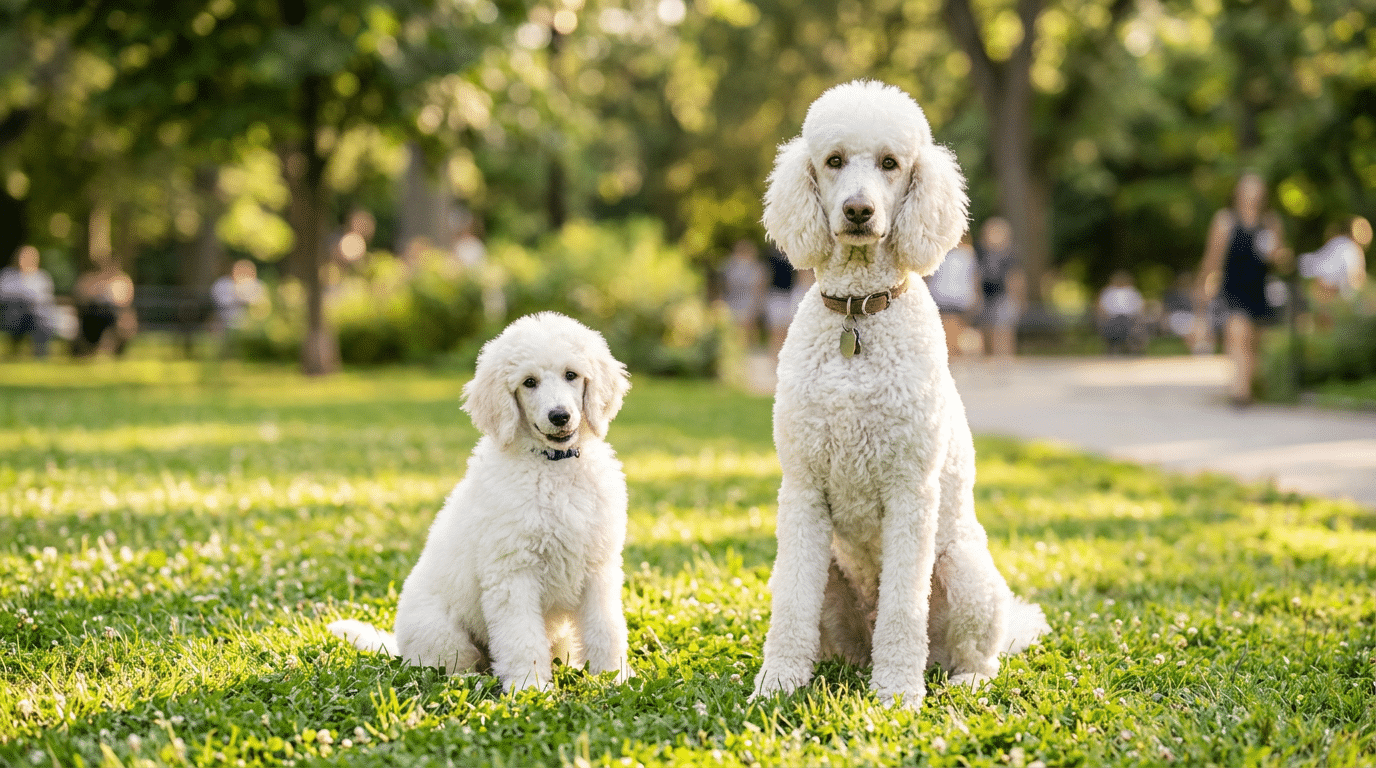
Before jumping into the charts, it helps to know what separates the three Poodle varieties. They’re not just different sizes of the same dog — they have slightly different growth timelines and adult weights that matter a lot when you’re tracking development.
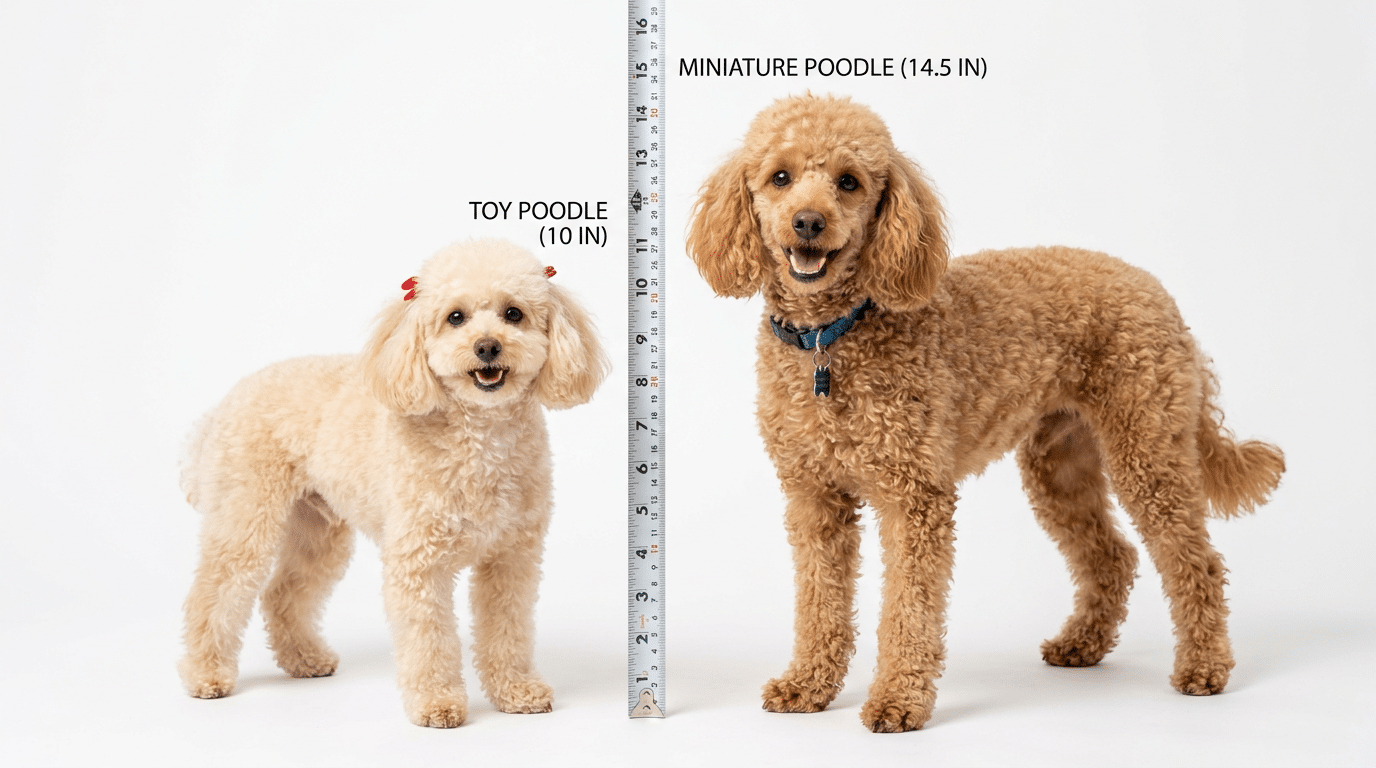
- Toy Poodle: Under 10 inches tall at the shoulder, typically 4-10 lbs as an adult. Reaches full size fastest, usually by 6-8 months.
- Miniature Poodle: 10-15 inches at the shoulder, 10-20 lbs fully grown. Hits adult size around 12 months.
- Standard Poodle: Over 15 inches (usually 22-27 inches), 40-85 lbs depending on sex. Takes 18-24 months to fully fill out.
Males tend to be heavier and taller than females across all three types. The difference is most pronounced in Standard Poodles, where males can weigh 15-20 lbs more than females at maturity.
If you’re still deciding which size fits your lifestyle, check out our guide to the best Poodle puppy foods — it breaks down nutritional needs by size too.
Male Poodle Weight by Age: Growth Charts
The table below tracks average male Poodle weights and heights from birth through age 3. Keep in mind that genetics, diet, and health all play a role — some healthy dogs will fall outside these ranges.
📊 Male Poodle Growth Chart
All weights in lbs (kg). All heights in inches (cm). These are breed averages — individual dogs vary.
| Newborn | 2.5-4 (1.1-1.8) | 3-4 (7.6-10.2) | 2-4 (0.9-1.8) | 4-6 (10.2-15.2) | 5-6 (2.3-2.7) | 6-8 (15.2-20.3) |
| 1 Month | 3-5 (1.3-2.2) | 4-5 (10.2-12.7) | 6-10 (2.7-4.5) | 5-7 (12.7-17.8) | 15-23 (6.8-10.4) | 8-11 (20.3-27.9) |
| 2 Months | 4-6 (1.8-2.7) | 5-6 (12.7-15.2) | 7-12 (3.1-5.4) | 6-8 (15.2-20.3) | 20-35 (9.1-15.8) | 10-14 (25.4-35.5) |
| 3 Months | 5-7 (2.2-3.1) | 6-7 (15.2-17.8) | 8-15 (3.6-6.8) | 7-9 (17.8-22.8) | 30-50 (13.6-22.6) | 12-17 (30.5-43.1) |
| 4 Months | 5-8 (2.2-3.6) | 6.5-8 (16.5-20.3) | 9-18 (4.1-8.1) | 8-10 (20.3-25.4) | 40-60 (18.1-27.2) | 14-20 (35.5-50.8) |
| 6 Months | 6-9 (2.7-4) | 7-9 (17.8-22.8) | 10-20 (4.5-9.1) | 9-11 (22.8-27.9) | 45-70 (20.4-31.7) | 17-23 (43.1-58.4) |
| 8 Months | 6-10 (2.7-4.5) | 7.5-9.5 (19-24.1) | 11-21 (5-9.5) | 10-12 (25.4-30.5) | 50-75 (22.6-34) | 19-24 (48.2-61) |
| 12 Months | 6-10 (2.7-4.5) | 8-10 (20.3-25.4) | 12-22 (5.4-10) | 10-13 (25.4-33) | 55-80 (24.9-36.3) | 21-26 (53.3-66) |
| 2 Years | 6-10 (2.7-4.5) | 8-10 (20.3-25.4) | 12-23 (5.4-10.4) | 11-14 (27.9-35.5) | 60-85 (27.2-38.5) | 22-27 (55.8-68.5) |
| 3 Years | 6-10 (2.7-4.5) | 8-10 (20.3-25.4) | 12-23 (5.4-10.4) | 11-14 (27.9-35.5) | 60-85 (27.2-38.5) | 22-27 (55.8-68.5) |
Female Poodle Weight by Age: Growth Charts
Female Poodles follow a similar growth arc, but typically weigh less and stand slightly shorter than males across all three varieties. Here’s how they track from birth through maturity.
📊 Female Poodle Growth Chart
All weights in lbs (kg). All heights in inches (cm). These are breed averages — individual dogs vary.
| Newborn | 1.5-2.5 (0.7-1.1) | 3-4 (7.6-10.2) | 3.5-4.5 (1.6-2) | 4.5-5.5 (11.4-14) | 4-5.5 (1.8-2.5) | 8-10 (20.3-25.4) |
| 3 Months | 3.5-5 (1.6-2.3) | 5-6 (12.7-15.2) | 8-10 (3.6-4.5) | 8-9 (20.3-22.9) | 25-30 (11.3-13.6) | 15-17 (38.1-43.2) |
| 6 Months | 5-6 (2.3-2.7) | 7-8 (17.8-20.3) | 10-13 (4.5-5.9) | 9.5-11 (24.1-27.9) | 35-45 (15.9-20.4) | 17-20 (43.2-50.8) |
| 9 Months | 5-7 (2.3-3.2) | 7.5-8.5 (19-21.6) | 10-14 (4.5-6.4) | 10-12 (25.4-30.5) | 40-50 (18.1-22.7) | 18-21 (45.7-53.3) |
| 12 Months | 5-8 (2.3-3.6) | 8-9 (20.3-22.9) | 10-15 (4.5-6.8) | 10-13 (25.4-33) | 40-55 (18.1-25) | 19-23 (48.3-58.4) |
| 2 Years | 5-8 (2.3-3.6) | 8-9 (20.3-22.9) | 10-16 (4.5-7.3) | 10-14 (25.4-35.6) | 40-60 (18.1-27.2) | 20-24 (50.8-61) |
| 3 Years | 5-8 (2.3-3.6) | 8-9 (20.3-22.9) | 10-16 (4.5-7.3) | 10-14 (25.4-35.6) | 40-60 (18.1-27.2) | 20-24 (50.8-61) |
When Do Poodles Stop Growing?
This is one of the most common questions, and the answer depends heavily on which variety you have.
Toy Poodles are the quickest. Most reach their full height by 6-7 months and finish filling out in terms of muscle and weight by around 12 months. They’re basically done before other breeds have hit their stride.
Miniature Poodles typically hit adult height between 12-15 months. You might notice them filling out a bit more through the chest and hips even after they’ve stopped growing taller, so don’t be surprised if your Mini looks a little different at 18 months than at 12.
Standard Poodles are the slow growers of the group. They reach full height around 18 months, but some males continue adding weight and muscle mass until they’re 2 years old. Growth plates in Standards usually close between 18-24 months, which is why vets often recommend waiting until at least 18 months before high-impact activities like agility courses or frequent jumping.
Growth plates matter for a reason beyond just tracking numbers. Before those plates close, the growth areas in the bones are soft cartilage, not bone. Hard impacts or excessive exercise during this window can cause long-term joint damage. For Standard Poodle owners especially, this is worth keeping in mind.
How Much to Feed a Poodle by Age
Weight charts only tell half the story. Knowing how much to feed your Poodle at each stage matters just as much as knowing what they should weigh. Here’s a practical breakdown.
Toy Poodle Feeding by Age
- 8-12 weeks: 1/4 cup high-quality puppy food, 3-4 times daily
- 3-6 months: 1/4 to 1/3 cup, 3 times daily
- 6-12 months: 1/3 cup, twice daily
- Adult (1+ year): 1/4 to 1/2 cup daily, split into 2 meals
Miniature Poodle Feeding by Age
- 8-12 weeks: 1/2 cup, 3-4 times daily
- 3-6 months: 1/2 to 3/4 cup, 3 times daily
- 6-12 months: 3/4 cup, twice daily
- Adult (1+ year): 3/4 to 1 cup daily, split into 2 meals
Standard Poodle Feeding by Age
- 8-12 weeks: 1 to 1.5 cups, 3-4 times daily
- 3-6 months: 1.5 to 2 cups, 3 times daily
- 6-12 months: 2 to 3 cups, twice daily
- Adult (1+ year): 2.5 to 4 cups daily, split into 2 meals (adjust for activity level)
These are guidelines, not rules set in stone. Food density varies significantly between brands, so always check the feeding chart on your specific food. And honestly, your vet can give you a number calibrated to your dog’s actual body condition score. Our roundup of the best Poodle puppy foods includes options sized appropriately for each variety.
Healthy Weight Ranges for Adult Poodles
What’s a healthy adult weight for a Poodle? Here’s a quick-reference breakdown:
- Toy Poodle (male): 6-10 lbs (2.7-4.5 kg)
- Toy Poodle (female): 5-8 lbs (2.3-3.6 kg)
- Miniature Poodle (male): 12-23 lbs (5.4-10.4 kg)
- Miniature Poodle (female): 10-16 lbs (4.5-7.3 kg)
- Standard Poodle (male): 60-85 lbs (27.2-38.5 kg)
- Standard Poodle (female): 40-60 lbs (18.1-27.2 kg)
The old rib test still works: run your hands along your dog’s side. You should be able to feel the ribs without pressing hard. If they’re sticking out visibly, that’s too thin. If you can’t feel them at all, your Poodle’s carrying extra weight.
Poodles that are overweight face real risks — joint stress, breathing issues, and shorter lifespans. A good joint supplement for your Poodle can help support mobility, especially if they’ve already been carrying extra weight for a while.
What Affects Your Poodle’s Growth
Dogs aren’t math problems. Even with perfect charts, individual Poodles can end up outside the expected range for totally normal reasons.
Genetics is the biggest factor. If both of a puppy’s parents are on the smaller or larger end of their variety’s range, the puppy probably will be too. Want a reasonably accurate size prediction? Look at the parents.
Nutrition matters more than most people realize. Puppies fed a diet too high in calories can actually grow too fast, which stresses developing joints. Underfeeding slows growth and can cause lifelong issues. A quality, breed-appropriate puppy food calibrated for your Poodle’s size variety is really the easiest way to get this right.
Neutering timing can affect growth slightly. Dogs neutered before their growth plates close tend to grow slightly taller, because the hormones that trigger plate closure get removed early. This isn’t dangerous, but it’s something to discuss with your vet. For Standard Poodles specifically, many vets now recommend waiting until 18-24 months before spaying or neutering.
Health issues can affect growth in either direction. Intestinal parasites, for instance, can prevent nutrient absorption and cause a puppy to look underweight despite eating well. If you’re seeing a consistent gap between your dog’s actual weight and the expected range, a vet checkup is the right next step.
Curious about other aspects of Poodle health? Our guide to the best supplements for senior Poodles covers what changes as they age past 7.
Tracking Your Poodle’s Growth at Home
You don’t need a fancy scale or measuring stick. A basic kitchen scale works fine for Toy and Miniature Poodles. For Standard Poodles, weigh yourself holding the dog, then weigh yourself alone. Subtract. Done.
For height, get your dog standing square (all four feet on the floor, head level), then measure from the floor to the top of the shoulder (the withers). That’s the official measurement point for all dog breeds.
Tracking monthly weights during puppyhood gives you a real picture of growth trends. A steady upward curve is what you want. Plateaus are fine. Sudden drops or spikes are worth a vet call.
Some owners use a simple notebook or phone notes. Others prefer apps. Either works. The point is consistency: weigh the same way, at the same time of day, with the same scale. Variations in method produce variations in numbers that don’t tell you anything useful.
If your Poodle has skin or coat issues affecting their appearance (which can make weight harder to assess visually), check out this tip on improving your Poodle’s skin and coat. A healthy coat often signals good overall nutrition and weight management.
Also worth reading: our coverage of flea and tick prevention for Poodles, since parasite loads can quietly affect weight and overall health in growing puppies.
And if anxiety is causing your Poodle to eat inconsistently or lose weight, these strategies to calm Poodle anxiety are genuinely helpful.
For training support as your growing Poodle gets more energy and independent, look into the best online dog training courses for Poodles.
Frequently Asked Questions About Poodle Weight by Age
How much should a Poodle weigh at 6 months?
At 6 months, a male Toy Poodle typically weighs 6-9 lbs. A male Miniature Poodle is around 10-20 lbs. A male Standard Poodle can range from 45-70 lbs. Females run a bit lighter across all three varieties.
When do Poodles stop growing?
Toy Poodles are done growing by about 12 months. Miniature Poodles reach adult size between 12-15 months. Standard Poodles take the longest, finishing by 18-24 months, with males sometimes continuing to fill out in muscle until age 2.
What’s a healthy weight for an adult Standard Poodle?
Male Standard Poodles typically land between 60-85 lbs (27-38 kg). Females usually weigh 40-60 lbs (18-27 kg). Dogs outside this range aren’t automatically unhealthy. Genetics is a huge variable.
How can I tell if my Poodle is overweight?
Feel along the ribcage with your hands. You should feel the ribs without pressing hard. If you can’t feel them, your dog’s likely carrying excess weight. Ask your vet for a formal body condition score — it’s a quick assessment they do at routine checkups.
Does neutering affect my Poodle’s growth?
A bit, yes. Removing the hormones that signal growth plate closure can lead to dogs growing slightly taller than they otherwise would. For Standard Poodles especially, many vets now recommend waiting until 18-24 months before spaying or neutering.
When should I switch from puppy food to adult food?
For Toy and Miniature Poodles, 9-12 months is usually the right time. Standard Poodles benefit from staying on puppy food until 12-18 months, since they’re still growing for longer.
Is it normal for my Poodle’s weight to fluctuate?
Some fluctuation during growth spurts is totally normal. Sudden or significant drops in weight without explanation, though, are always worth a vet call.
Can I predict my Poodle’s adult size from puppy size?
Sort of. The best predictor is actually the size of the parents. A good breeder will know the parents’ weights and heights, and that’s where you should start if you’re trying to anticipate adult size.
The Bottom Line
Tracking Poodle weight by age gives you a useful benchmark, but your individual dog is the only real reference point that matters. A Toy Poodle at 9 lbs might be perfectly healthy or slightly heavy depending on their frame. A Standard Poodle at 55 lbs could be on the lean end or just right.
Use the growth charts here as a starting point. Weigh your dog regularly during puppyhood, watch the trend line, and bring any concerns to your vet. Poodles are athletic, intelligent, and generally healthy dogs. With solid nutrition and appropriate exercise, most of them hit their expected size without drama.
If you want to dig deeper into Poodle health, check out our guide to supplements for Poodle puppies and our list of natural ingredients that help with Poodle allergies.







 English (US) ·