
 14 hours ago
7
14 hours ago
7
Your dog can’t sit you down and explain that something feels wrong. But their behavior? That tells the whole story. Dogs experience anxiety just like people do, and it can show up in ways you might not expect, from subtle lip licking to full-blown destructive episodes while you’re at work.
Some dogs only get anxious during thunderstorms or vet visits. Others carry that tension around all day, every day. Either way, recognizing the signs early gives you the best shot at helping your dog feel safe again.
So how do you know if your dog is anxious, and what can you actually do about it? Let’s break it down.
What Dog Anxiety Actually Looks Like
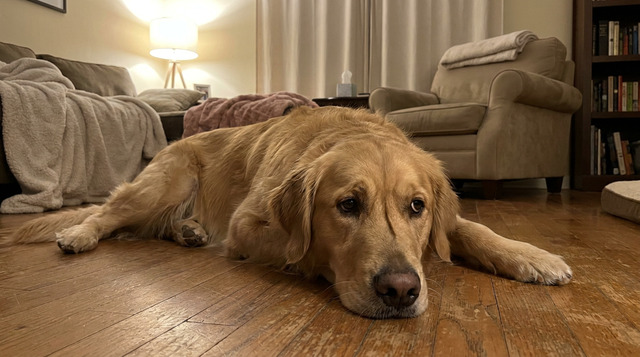
Anxiety doesn’t always look dramatic. Sure, some dogs destroy furniture or bark nonstop when left alone. But plenty of anxious dogs show much quieter signs that are easy to miss if you’re not paying attention.
Here are the most common signals:
- Tucked tail or low body posture
- Excessive panting when it’s not hot
- Yawning or lip licking outside of mealtime
- Pacing back and forth without settling
- Drooling more than usual
- Shaking or trembling
- Hiding under furniture or in closets
- Excessive barking or whining
- Destructive behavior like chewing, digging, or scratching doors
- Peeing or pooping indoors despite being house-trained
- Expressing anal glands from stress
- Aggression toward people or other animals
- Repetitive behaviors like spinning or tail chasing
- Depression-like withdrawal, such as refusing food or losing interest in play
One or two of these on a random Tuesday might not mean much. But if you’re noticing a pattern, especially multiple signs happening together, your dog is probably trying to tell you something.
Quick Check: Is My Dog Anxious?
Ask yourself these three questions:
1. Does this behavior happen regularly, or was it a one-time thing?
2. Can I connect it to a specific trigger (noise, being alone, a new environment)?
3. Is my dog showing more than one sign at the same time?
If you answered yes to two or more, anxiety is likely playing a role.
The Three Main Types of Dog Anxiety
Not all anxiety is the same. Understanding which type your dog is dealing with helps you pick the right approach to managing it.
Fear-Based Anxiety
This one’s the most obvious. Loud noises like fireworks and thunderstorms, unfamiliar people, strange environments, or even specific objects (vacuum cleaners, anyone?) can trigger a fear response. You’ll usually see it as trembling, hiding, or trying to escape.
Some dogs develop fears early in life because they weren’t exposed to enough new experiences as puppies. Others may develop them after a scary event, like a bad encounter at the dog park or a traumatic vet visit.
Separation Anxiety
This is probably the most common type, and it’s one of the hardest for owners to deal with. Dogs with separation anxiety panic when they’re left alone. That panic can lead to barking, howling, destructive chewing, scratching at doors or windows, and indoor accidents, even in dogs who are perfectly house-trained when you’re home.
Separation anxiety often gets worse over time if it’s not addressed. And it’s not about your dog being “bad.” They’re genuinely distressed.
Age-Related Anxiety
Older dogs can develop anxiety as their cognitive function declines, similar to dementia in people. They may seem confused, get lost in familiar rooms, or wake up disoriented in the middle of the night. Changes in routine that they used to handle just fine suddenly become overwhelming.
If your senior dog is showing new anxiety symptoms, a vet visit is a good first step. Cognitive decline is treatable to some degree, and catching it early makes a difference.
How to Help an Anxious Dog
Here’s the good news: you don’t have to just watch your dog suffer. There are real, practical things you can do to bring their anxiety levels down.
Stick to a Consistent Routine
Dogs are creatures of habit. Knowing when they’ll be fed, walked, and put to bed helps reduce uncertainty, which is a major anxiety trigger. Try to keep wake-up times, mealtimes, and walk schedules as consistent as you can, even on weekends.
Create a Safe Space
Give your dog a go-to spot where they can retreat when things feel overwhelming. A crate (if they’re crate-trained and actually like it), a quiet corner with their bed, or even a closet left open can work. The key is making it available but never forcing them into it.
Try a Compression Wrap
Products like the Thundershirt apply gentle, constant pressure to your dog’s torso, kind of like a hug. It doesn’t work for every dog, but many owners report noticeable improvement during storms, fireworks, or car rides. It’s worth a shot for situational anxiety.
Play Calming Music
This sounds too simple to work, but research backs it up. Classical music in particular has been shown to reduce stress behaviors in shelter dogs. There are even playlists and YouTube channels designed specifically for dog relaxation. Leave one playing when you head out the door.
Use a Heartbeat Toy
Puppies are comforted by their mother’s warmth and heartbeat, and adult dogs can benefit from the same concept. Heartbeat toys mimic that rhythmic pulse and can be especially helpful for dogs with separation anxiety. Wrapping the toy in one of your recently worn shirts adds your scent, which is an extra layer of comfort.
Consider Natural Calming Supplements
Several natural ingredients have shown promise for reducing anxiety in dogs. Valerian root, L-theanine, and chamomile are all popular options. Talk to your vet before starting any supplement, especially if your dog is on other medications.
Work with a Trainer or Behaviorist
For moderate to severe anxiety, professional help is worth every penny. A certified dog behaviorist can identify triggers you might be missing and develop a desensitization plan tailored to your dog. This is especially important for aggression-related anxiety, where guessing can make things worse.
When to Call Your Vet
Talk to your veterinarian if your dog’s anxiety:
• Causes self-harm (excessive licking, chewing paws until they bleed)
• Results in aggression toward people or other animals
• Doesn’t improve with environmental changes or training
• Appears suddenly in a senior dog (may indicate cognitive decline)
Your vet may recommend prescription anti-anxiety medication, which can be used alongside behavioral training for the best results.
Preventing Anxiety Before It Starts
If you have a puppy or a new rescue, you’re in a great position to prevent anxiety from developing in the first place. Even adult dogs can benefit from these strategies.
Socialize Early and Often
The more people, dogs, sounds, and environments your puppy encounters in a positive way, the less likely they are to develop fear-based anxiety later. The critical socialization window is between 3 and 14 weeks, but socialization should continue throughout your dog’s life. Your dog’s personality is shaped by both genetics and experience, so giving them positive experiences matters.
Practice Short Absences
Don’t wait until you have to leave for eight hours to find out your dog can’t handle being alone. Start with short departures, even just stepping outside for a few minutes, and gradually increase the time. Reward calm behavior when you return (but keep greetings low-key to avoid reinforcing the idea that your leaving is a big deal).
Build Confidence Through Training
Obedience training isn’t just about “sit” and “stay.” It builds your dog’s confidence by giving them a clear framework for how to behave. Dogs that know what’s expected of them tend to be less anxious because there’s less guesswork. Plus, training strengthens the bond between you and your dog, which itself is a buffer against anxiety.
Keep Them Physically and Mentally Active
A tired dog is a calmer dog. Regular exercise burns off the excess energy that can feed into anxious behavior. But don’t stop at physical activity. Puzzle toys, sniff walks, and training games keep your dog’s brain engaged and give them a healthy outlet for mental energy.
Frequently Asked Questions
1. Can dog anxiety go away on its own?
Sometimes mild, situational anxiety fades as a dog gets used to a trigger. But chronic anxiety rarely resolves without intervention. The longer it goes untreated, the more ingrained the behavior becomes. Early action gives you the best chance of improvement.
2. What breeds are most prone to anxiety?
Any dog can develop anxiety, but some breeds are more susceptible. German Shepherds, Labrador Retrievers, Border Collies, Cocker Spaniels, and toy breeds like Chihuahuas and Bichon Frises tend to show higher rates of anxiety-related behaviors.
3. Is it okay to comfort my anxious dog, or will that reinforce the behavior?
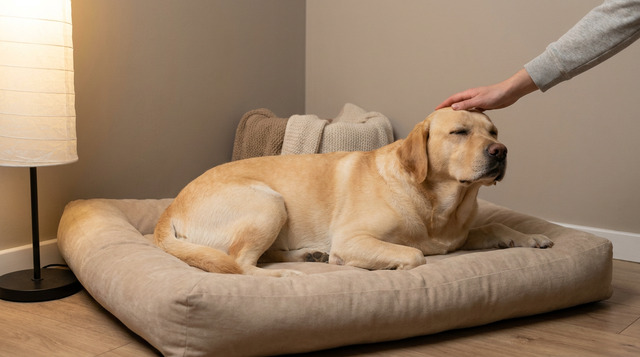
Go ahead and comfort them. The outdated idea that soothing a scared dog “rewards” fear has been largely debunked by animal behaviorists. You can’t reinforce an emotion. Offering calm, steady reassurance helps your dog feel safe without making the anxiety worse.
4. How long does it take to treat dog anxiety?
It depends on the severity and the approach. Some dogs respond to environmental changes and routine adjustments within a few weeks. Others, especially those with deep-seated separation or fear-based anxiety, may need months of consistent training and possibly medication to see significant improvement.
5. Can diet affect my dog’s anxiety?
Yes. Poor nutrition can contribute to mood instability in dogs, just like in people. A balanced diet rich in omega-3 fatty acids, B vitamins, and tryptophan supports healthy brain function and can help take the edge off anxiety. Talk to your vet about whether a diet change or supplement might benefit your dog.
6. What’s the difference between anxiety and excitement in dogs?
They can look similar on the surface. Both involve panting, pacing, and vocalization. The key difference is context and body language. An excited dog has a loose, wiggly body and a wagging tail. An anxious dog is tense, with a tucked tail, flattened ears, and avoidance behaviors like hiding or lip licking.
Your Dog Doesn’t Have to Live with Anxiety
Anxiety in dogs is more common than most people realize, and it’s not something your dog will just “grow out of.” But with the right combination of routine, training, environmental changes, and sometimes professional help, you can make a real difference in how your dog experiences the world.
Start by watching your dog closely. Learn their specific signals. Then take one step at a time, whether that’s adjusting your morning schedule, trying a calming supplement, or booking a session with a behaviorist.
Your dog trusts you more than anything. And showing up for them when they’re struggling? That’s exactly what being a dog owner is about.





 English (US) ·