
What Is Leash Reactivity? (Why Dogs Bark or Lunge on Walks)
If your dog barks, growls, or lunges the second you step outside, you’re dealing with something trainers call leash reactivity. It’s one of the most common behavior challenges among dog parents—and thankfully, one of the most fixable with time and consistency.
But here’s the key: reactive doesn’t mean aggressive.
Most dogs bark or pull on walks because they’re overstimulated, anxious, or frustrated—not because they want to fight. The leash simply limits how they can respond to exciting or scary things around them.
When dogs are off-leash, they can move naturally—circle, sniff, or back away. But on-leash, they can’t escape or greet freely. So instead, they bark or lunge as a way to say, “I need space!”
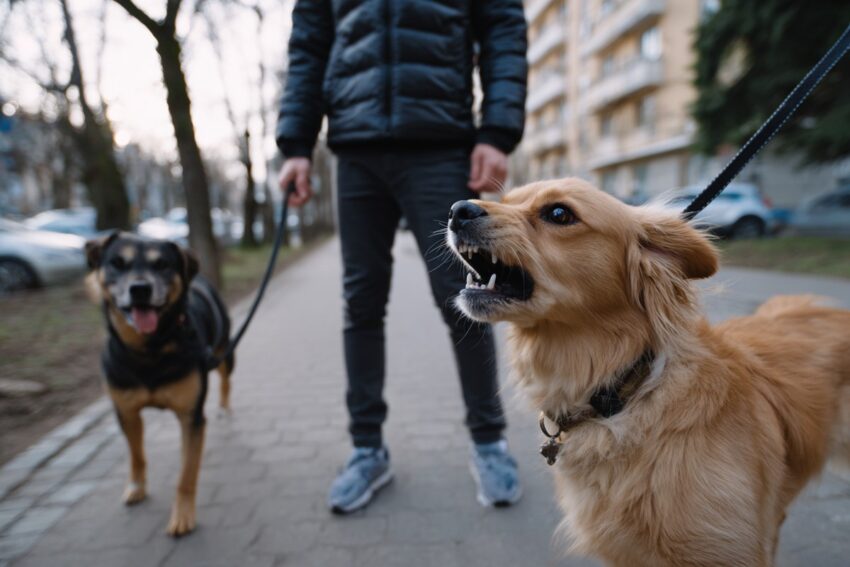
Common Triggers for Barking on Walks
- Other dogs approaching too fast or head-on
- People wearing hats, coats, or carrying objects
- Bicycles, scooters, or joggers zipping by
- Loud noises or sudden movement
Each time your dog reacts, it reinforces their internal alarm system—making it more likely to happen again next time.
Vet Tip: If your dog’s barking on walks seems sudden or worse than usual, check for pain or discomfort. Back, hip, or neck pain can make leash pressure feel uncomfortable and trigger reactivity.
Step 1 — Spot Triggers & Find Your Dog’s Threshold
Before you can teach your dog to stop barking on walks, you need to figure out what’s setting them off—and how much space they need to stay calm.
Every dog has different “trigger points.” Some react to every dog within sight, while others only bark when someone passes too close. Finding those details helps you train smarter, not harder.
Identify Your Dog’s Triggers
Start by paying close attention on walks:
- What makes your dog tense up or start barking?
- Do they react to certain types of people or dogs?
- Are they more reactive in specific places (like near home or at the park)?
Write these observations down—it helps you spot patterns over time.
Understand the Threshold
Your dog’s threshold is the invisible line between calm and chaos.
- Below threshold: Your dog notices the trigger but stays relaxed and can respond to treats or cues.
- Above threshold: They’ve lost focus, barking or lunging, and can’t learn in that state.
Pro Tip: When in doubt, add distance. If your dog starts staring, stiffening, or pulling forward, you’re getting too close—step back before barking begins.
Step 2 — Gear Up for Success (Leash, Harness, Treats)
Before you even start training, make sure you’ve got the right tools. The right leash and harness setup can make all the difference between a calm walk and a tug-of-war.
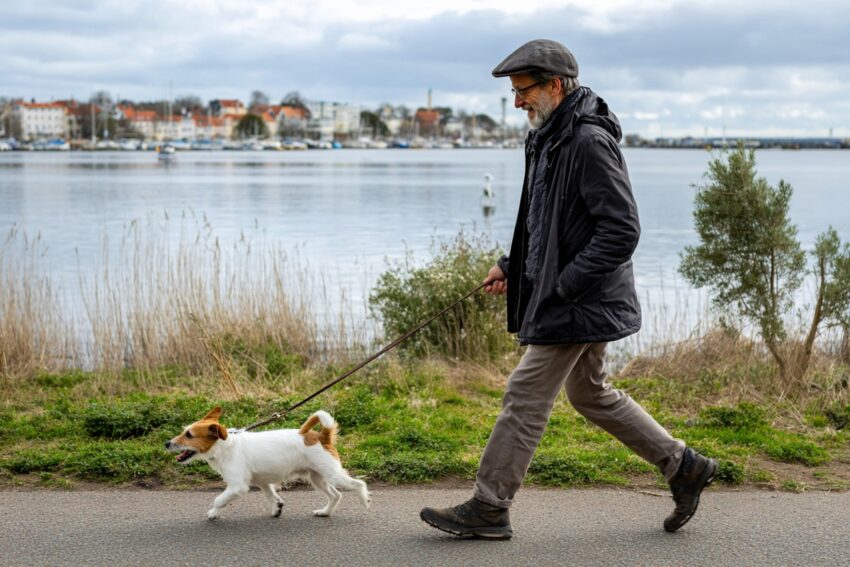
Choose a No-Pull or Front-Clip Harness
A comfortable, well-fitted harness gives you control without putting pressure on your dog’s neck. It also helps you guide your pup gently instead of restraining them.
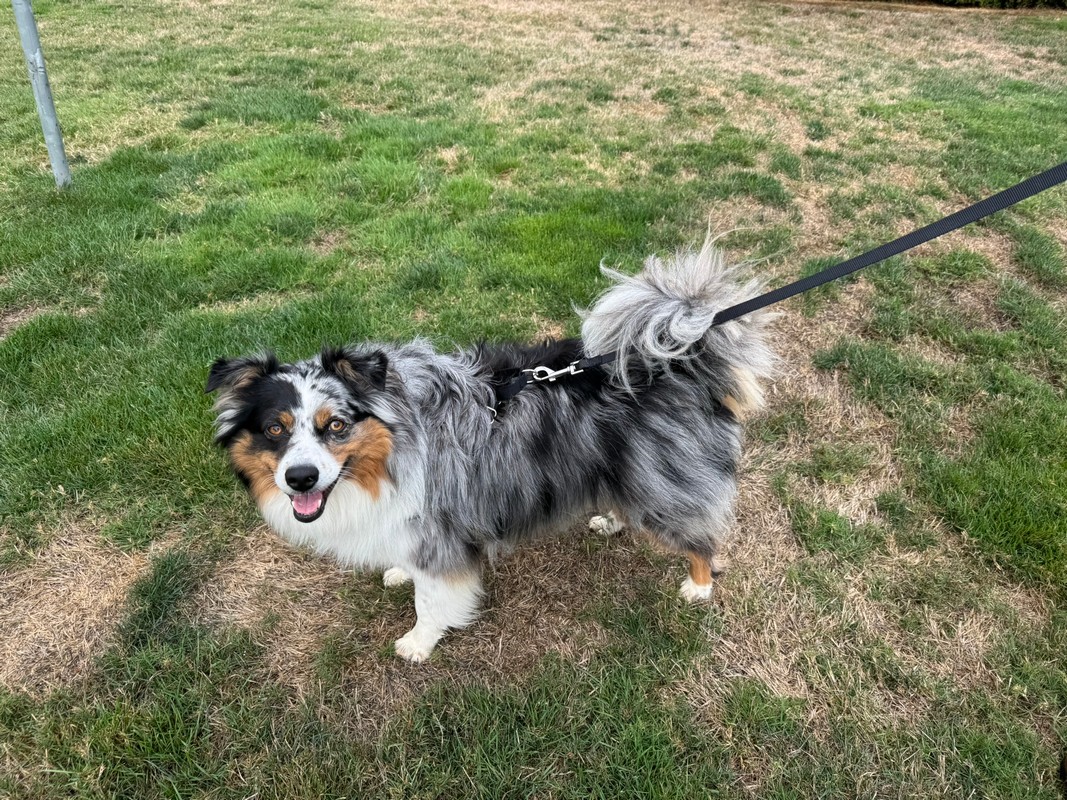
One great option is the Easy Walk® Comfort No-Pull Dog Harness. It’s adjustable, and features two leash clips—one on the chest for steering and one on the back for casual walking.
Look for:
- Padded straps that won’t rub or chafe
- Front clip for control and back clip for casual walks
- Reflective trim for early mornings or evenings
⚠ Avoid: Retractable leashes. They create tension and make it harder to keep a consistent distance from triggers.
Easy Walk® Comfort No-Pull Dog Harness
The Easy Walk® Comfort Harness is designed with your dog’s comfort in mind while giving you the confidence you want. Its boosted padding will put a pep in their step and the no-pull design will deter even the most persistent puller. It’s a win-win for you and your dog!
We earn a commission if you make a purchase, at no additional cost to you.
Stock Up on High-Value Treats
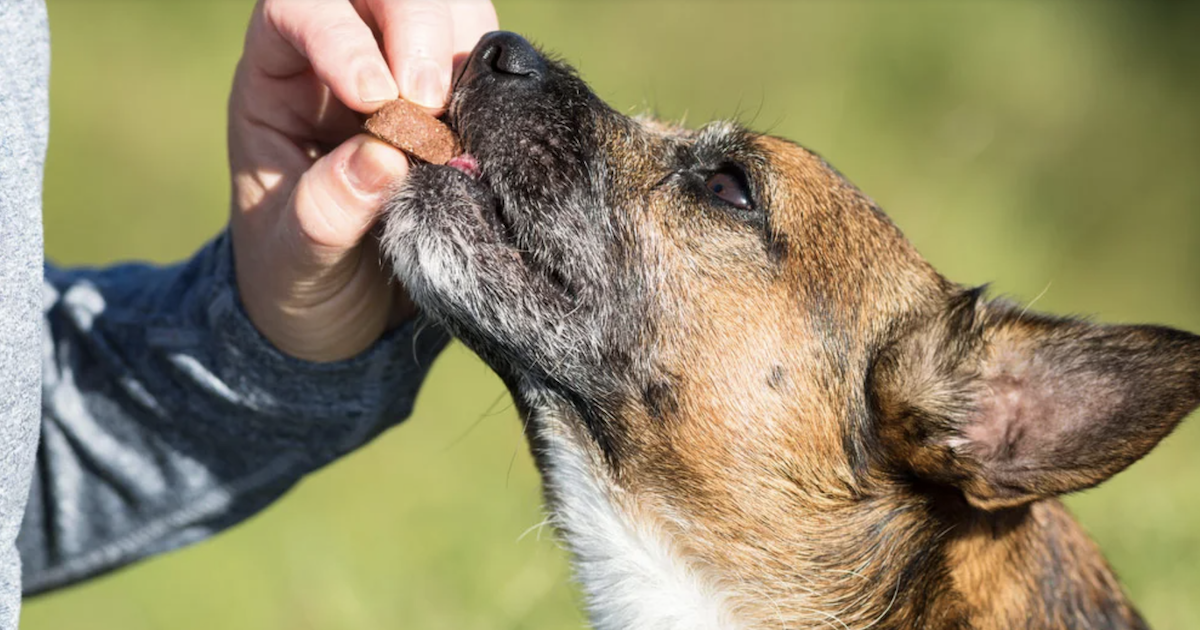
When training a reactive dog, not all treats are created equal. You’ll need rewards that are irresistible and easy to deliver fast—think soft, smelly, bite-sized goodies like cheese, chicken, or freeze-dried liver.
Pro Tip: Keep treats in a pouch or fanny pack so you can reward instantly when your dog makes the right choice.
Keep That Leash Loose
It’s natural to tighten the leash when you see another dog coming—but that tension travels straight down the line to your pup.
A tight leash tells your dog, “Uh-oh, something bad is coming.”
A loose leash says, “We’re fine; you’re safe.”
Practicing relaxed leash handling helps your dog trust that you’re in control—and that they don’t have to bark to handle it themselves.
Step 3 — Train Below Threshold (Desensitization + Counterconditioning)
Once you know what triggers your dog and how much space they need, it’s time to teach them a calmer response. The key? Working below their threshold—where they notice the trigger but stay relaxed enough to learn.
This is called desensitization and counterconditioning—a proven, positive method that helps your dog associate their triggers with good things instead of stress.
Here’s How to Do It:
- Start at a distance where your dog sees the trigger but doesn’t bark.
- The second they stay calm, reward generously with high-value treats and calm praise.
- Continue treating as long as they remain relaxed.
- If your dog starts barking, you’ve gone too close—back up and try again later.
- Over time, slowly shorten the distance between your dog and the trigger.
Each session helps your dog build a new emotional connection:
“When I see a dog → I get something awesome.”
Vet Tip:
Think of reactivity training like physical therapy—it’s slow, steady progress that builds long-term resilience. Don’t rush distance changes.
Pro Tip:
Short, frequent sessions (5–10 minutes) work best. You’re shaping calm behavior, not testing limits. Always end on a success, even a small one.
Step 4 — Redirect Before the Bark (Replace, Don’t Suppress)
Once your dog spots a trigger, you have a short window of time before they bark or lunge. That’s your moment to redirect their focus—not by scolding, but by giving them something better to do.
This teaches your dog that paying attention to you earns rewards, while reacting gets them nothing.
Try These Focus Games
- “Watch Me” Cue:
Hold a treat near your eyes and say “Watch me.” When your dog makes eye contact, reward immediately.
→ Great for dogs who stare down other pups on walks. - “Touch” Cue:
Offer your hand and say “Touch.” When your dog bumps your palm with their nose, treat!
→ Redirects their focus quickly and builds confidence. - Scatter Treats Game:
If a trigger passes by, scatter a few treats on the ground and say “Find it!”
→ Keeps your dog’s nose busy and lowers arousal through sniffing.
⚠ Heads-up: Avoid yanking the leash or yelling “No!”—it adds tension and can make the trigger feel scarier. The goal is to replace the reaction, not punish it.
Step 5 — Manage the Environment (So Practice Sticks)
Even the best training can fall apart if your dog keeps getting overwhelmed. Until your pup builds confidence, managing their environment helps prevent setbacks—and keeps both of you calm on walks.
Think of it as setting your dog up for success instead of throwing them into the deep end.
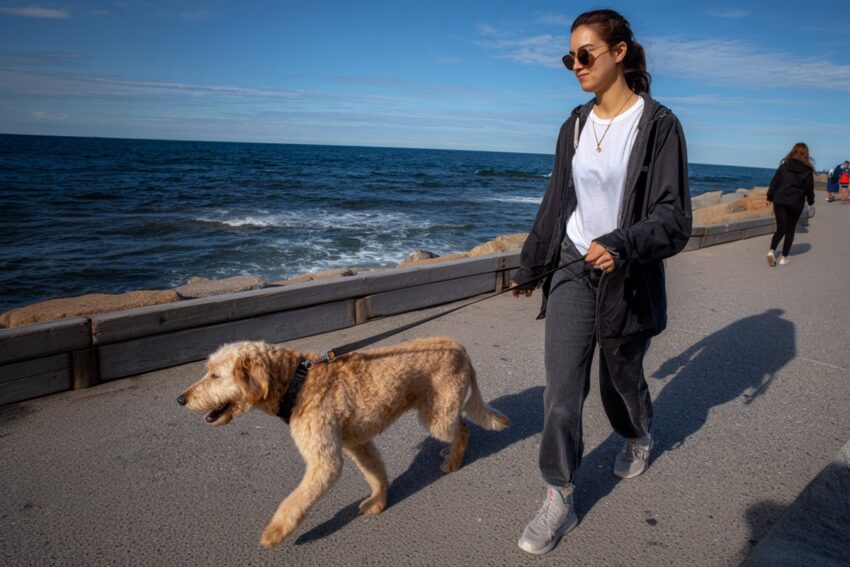
Pick Easier Walking Routes
Choose quiet streets, parks with wide paths, or neighborhoods where you can keep a comfortable distance from people and other dogs.
If your usual route is stressful, mix it up! Sometimes just changing the scenery can reduce tension.
Walk During Low-Traffic Times
Go out early in the morning or later in the evening when it’s less busy. Fewer triggers mean more chances for your dog to practice calm behavior successfully.
Use Natural Barriers
If you see a trigger ahead, step behind a parked car, tree, or fence until it passes. Giving your dog a visual break helps lower their arousal level.
Practice Calm U-Turns
Instead of dragging your dog past a trigger, calmly say “Let’s go!” and turn the other way.
Reward them for following your lead—this builds trust and teaches your pup that you’ll always handle the tough moments.
Pro Tip: Celebrate quiet, easy walks—even if they’re short! A few calm minutes of success do more for training than an hour of frustration.
Step 6 — Walk Skills That Calm Reactivity
Once your dog starts staying calmer at a distance, it’s time to reinforce those good habits during real-life walks. Building solid leash manners and calm focus will make every outing smoother—for both of you.
Reward Calm Walking
Every time your dog walks quietly by your side—even for a few seconds—mark it with a cheerful “Yes!” and give a treat.
This shows your pup that calm = reward, not tension or correction.
Pro Tip: Don’t wait for perfection. Reward small wins often—those short bursts of focus add up to lasting progress.
Encourage Check-Ins
If your dog glances back at you instead of reacting to a distraction, jackpot that behavior!
Checking in builds trust and teaches your pup that you’re worth paying attention to, even when exciting things are happening nearby.
Use Short, Success-Focused Walks
Training walks don’t have to be long. In fact, it’s better to do 10 minutes of calm practice than 45 minutes of frustration.
End each walk on a positive note, even if that means heading home early after a small success.
Vet Tip:
If your dog tires easily or seems sore after walks, check for joint pain or arthritis. Physical discomfort can make leash reactivity worse because every sudden movement hurts.
Step 7 — Be Consistent, Kind, and Patient
Consistency is the secret to helping your dog overcome reactivity for good. Every calm moment you reward, every trigger you manage well, and every relaxed walk you end on a positive note all add up over time.
Progress won’t always be linear — and that’s okay. The goal isn’t perfection; it’s helping your dog feel safer and more confident on every walk.
Keep Training Routines Predictable
Dogs thrive on consistency. Try to walk at similar times, use the same commands (“watch me,” “let’s go”), and stick to the same calm, reassuring tone of voice.
That sense of routine builds trust — and trust builds calm.
Get Everyone on the Same Page
If more than one person walks your dog, make sure everyone uses the same cues and reward methods. Inconsistent responses can confuse your pup and slow progress.
Pro Tip: Keep a quick note on your fridge or phone with your main training words, reward timing, and what to do if a trigger appears.
Be Patient and Compassionate
Remember, barking is communication — not defiance. Your dog isn’t giving you a hard time; they’re having a hard time.
Reward small wins. Smile at setbacks. You’re both learning together.
Quick Troubleshooting: When Barking Still Happens
Even with the best training plan, you’ll have off days. That’s totally normal — dogs have emotions, good days, and bad days just like we do. The goal isn’t perfection; it’s progress.
Here’s how to handle those inevitable “oops” moments with confidence and calm:
If Your Dog Starts Barking or Lunging
- Don’t panic. Take a slow breath — your dog feels your energy.
- Add distance fast. Turn around, step off the path, or calmly cross the street.
- Avoid corrections. Instead, regain focus with your “watch me” or “find it” cue once your pup settles.
Pro Tip: Keep calm body language. Tight shoulders, sharp movements, or frustration can amplify your dog’s stress.
If Progress Stalls
- Go back to basics — increase distance and return to easy success zones.
- Use higher-value rewards (like chicken or cheese instead of kibble).
- Keep sessions shorter; end on a calm note, not exhaustion.
If Fear Is the Root Cause
Some dogs bark not from excitement, but from genuine fear.
If your dog trembles, hides, or avoids certain triggers, prioritize safety and gentle exposure.
- Give extra space.
- Keep sessions short and positive.
- Use calm, predictable routines.
Vet Tip: Sudden fear or reactivity in adult dogs can stem from medical issues, hormonal changes, or pain. Always rule out health factors first.
FAQ: Barking on Walks
How long does it take to stop leash barking?
There’s no one-size-fits-all timeline. Some dogs improve in a few weeks; others take months. The key is consistency—rewarding calm behavior every single walk and managing distance from triggers.
Measure progress by smaller wins—like shorter barking bursts or easier recovery—not just “no barking at all.”
Should I correct or say “no” when my dog barks?
No. Scolding can make barking worse because it adds stress and tension. Instead, calmly redirect your dog’s focus with your cue (“watch me”) or move away to a calmer distance.
Positive reinforcement teaches your dog what to do instead of punishing what not to do.
Are bark collars okay for leash reactivity?
Bark or shock collars may suppress barking temporarily—but they don’t address the root emotion (fear, anxiety, or excitement). They can actually make reactivity worse over time. Stick to trust-based, reward-based training methods.
What if my dog only barks at certain dogs or people?
That’s common! Some dogs react to specific appearances (like big dogs, men in hats, or kids on bikes).
Keep notes on patterns, then set up calm, controlled practice with those triggers from a distance. Over time, your dog’s comfort zone will expand.
My dog is calm off-leash but reactive on-leash—why?
Off-leash, dogs can move freely and approach others in natural arcs. On a leash, that option disappears, creating frustration and tension. The leash limits communication and increases pressure, which can trigger barking or lunging.
Solution: Focus training on leash-based greetings and calm passing, rewarding quiet moments often.
Final Thoughts: Patience Builds Peaceful Walks
If your dog barks at people or other dogs during walks, don’t lose heart—you’re not failing, and your pup isn’t broken. They’re communicating the only way they know how right now.
With steady practice, space, and calm consistency, you can rewrite that story together. The barking will fade as your dog learns that the world is safe, walks are fun, and their human always has their back.
Remember:
- You’re teaching trust, not control.
- Progress might be quiet, but it’s powerful.
- Every calm step you take is one closer to peaceful, happy walks.
Bottom Line: Your dog isn’t giving you a hard time—they’re having a hard time. And with your patience and love, they’ll learn that every walk can be a calm, confident adventure again.






 English (US) ·