
Step-by-Step Bootcamp for Housebreaking an Older Dog Fast
Older dogs can learn new habits quickly — they just need clear, consistent guidance and structure. Think of this as your simple bootcamp plan for success.
1. Start with a Vet Check
Before assuming your dog’s accidents are behavioral, rule out health problems first.
Older dogs are more prone to urinary tract infections, kidney disease, arthritis, and incontinence, which can all make it hard to “hold it.”
🩺 Schedule a quick vet visit to confirm your dog is healthy enough for retraining. Once you know it’s not medical, you can move forward with confidence.
2. Create a “Safe Zone” or Crate Routine
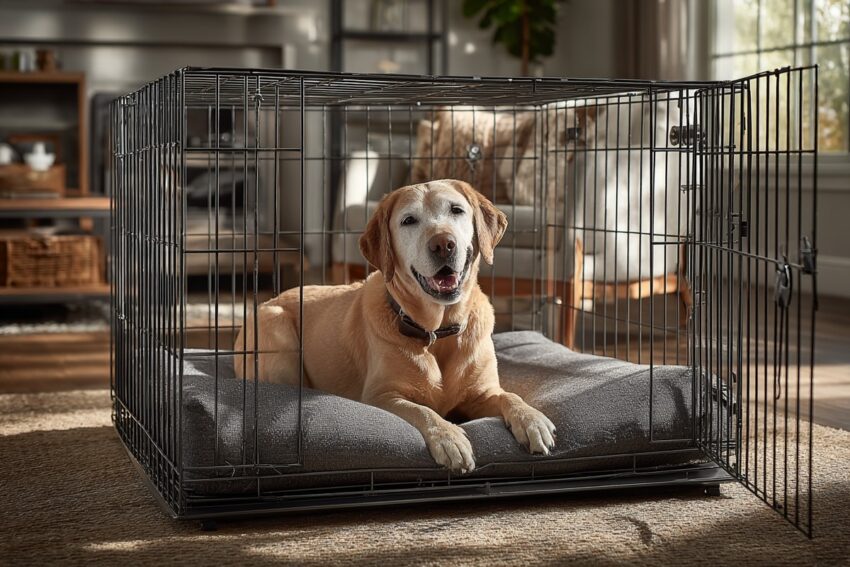
Crating isn’t punishment — it’s comfort and clarity. Dogs naturally avoid soiling where they sleep.
A properly sized crate gives your older dog a calm space to rest and learn bladder control again.
Tips for success:
- Choose a crate big enough to stand, turn, and lie down comfortably.
- Add a soft bed or washable mat for joint comfort.
- Keep it positive: feed meals and treats inside so it feels like a den, not a timeout.
⚠ Heads-up: If your dog has arthritis or mobility issues, use a small pen or gated area instead of a crate for easier movement.
3. Establish a Predictable Bathroom Schedule
Routine is your best friend — and your dog’s.
Take your dog out:
- First thing in the morning
- After meals
- After naps
- Before bed
- Anytime they drink water or show sniffing/circling signs
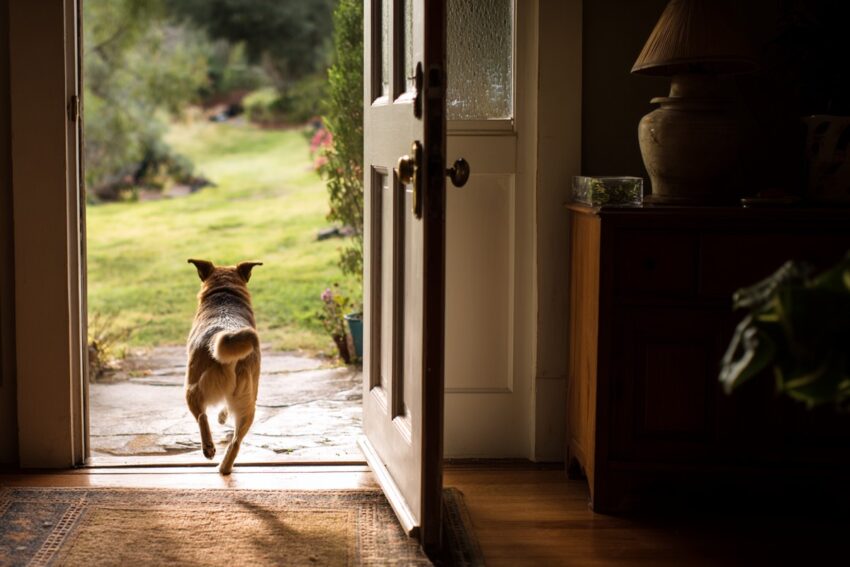
Stick to the same door and the same outdoor area each time. Familiarity reinforces what you want: “This is my potty spot.”
💡Pro Tip: Praise immediately after your dog finishes outside. Timing matters — rewards given even 5 seconds too late can confuse the message.
4. Supervise Like a Hawk
If your dog’s not in their crate, you’re on watch duty. Older dogs can learn quickly, but they need consistent observation in the early stages.
Look for signals like:
- Sniffing the floor
- Circling or pacing
- Suddenly leaving the room
When you see these, calmly say your cue word and guide them outside.
5. Use Consistent Cues and One Potty Spot
Pick one phrase — like “Go potty” or “Do your business” — and use it every time.
Dogs thrive on clear, simple communication. Over time, your dog will associate your cue with the act itself and may even go on command.
💡Pro Tip: Always take them to the same spot. Scent triggers memory — and it helps them understand where the “bathroom” really is.
Special Considerations for Older Dogs
Training an older dog isn’t about speed — it’s about empathy and adjustment. Senior and middle-aged dogs often have physical or cognitive changes that affect their ability to hold it or communicate when they need to go out. Recognizing these factors will make housebreaking faster and more humane.
1. Mobility Challenges
Arthritis, hip dysplasia, or joint stiffness can make it harder for older dogs to reach the door in time.
You can help by:
- Keeping potty areas close to exits.
- Using non-slip rugs or mats so your dog feels safe moving around.
- Adding ramps or gentle steps if stairs are a barrier.
🩺 Vet Tip: Talk to your vet about joint supplements like glucosamine or omega-3s — comfort helps consistency.
Our Favorite Hip & Joint Supplement
Best CBD Oil Supplement for Dogs
Vet Naturals Hemp & Hips quickly delivers a CBD richer in joint-supporting cannabinoids and terpenes, easing joint pain and anxiety in as little as 10 minutes. The 100% naturally organic blend is formulated by vets and Made in the USA.

2. Incontinence or Medical Conditions
Sometimes, “accidents” aren’t a training issue at all. Age-related urinary incontinence, kidney disease, or medication side effects can cause leaks or frequent urination.
⚠ Heads-up: Never punish an older dog for these slips. Instead, speak with your vet about treatment options — from medications to absorbent bedding or doggie diapers during recovery.
3. Cognitive Decline (Canine Dementia)
Dogs, like humans, can experience cognitive dysfunction as they age. Signs include confusion, pacing, or forgetting commands they once knew — even housebreaking habits.
What helps:
- Keep routines simple and consistent.
- Use clear cues and a calm tone.
- Add extra potty breaks — they may forget they need to go until it’s too late.
4. Adjust Expectations (and Celebrate Wins)
Older dogs take in new habits more slowly, but they do learn. Focus on progress, not perfection. Every accident-free day is a win — and every success builds confidence for both of you.
💡Remember: You’re not just teaching bathroom manners; you’re helping your dog feel secure in a brand-new chapter of life.
Pro Tips & Common Pitfalls to Avoid
Even with the best intentions, small missteps can slow your dog’s progress — or accidentally make them anxious about potty time. Here’s how to keep training smooth, fast, and stress-free.
Pro Tips for Faster Success
- Use enzymatic cleaners every time. Regular cleaning sprays don’t fully remove scent markers, which can cause repeat accidents. Enzymatic formulas break down odor at a molecular level.
- Keep a log for the first week. Write down when your dog eats, drinks, and goes potty. Patterns help you predict the next trip outside — and prevent “surprise puddles.”
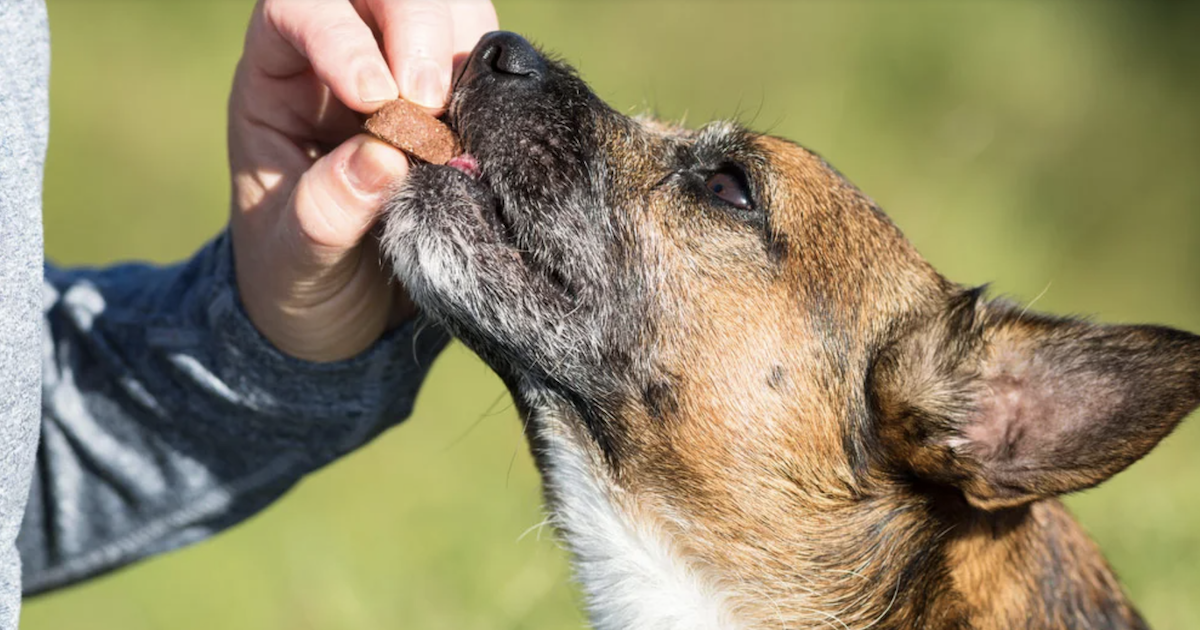
- Praise like it’s a party. When your dog goes outside, immediately use a happy tone, pets, and small treats. That’s what tells them, “Yes, this is the right thing!”
- Stick with one routine. Consistency creates clarity. Changing doors, times, or cue words can confuse older dogs who rely on habit.
- Invest in easy-clean flooring. Accidents happen — washable rugs or waterproof pads near doors can save your sanity.
Common Mistakes to Avoid
- Punishing accidents. Yelling or scolding teaches fear, not understanding. It can make dogs hide when they need to go, making training harder.
- Giving too much freedom too soon. Gradually expand their space as trust builds. Start with one room, then two — not the whole house at once.
- Ignoring subtle cues. Older dogs often show smaller signals (just a glance toward the door or pacing quietly). Stay tuned in.
- Assuming “fast” means overnight. Progress can take a week or two — and that’s okay. Celebrate each small step forward.
💡Pro Tip: If your dog suddenly regresses after making progress, revisit step one — a vet check. Health changes happen fast in older dogs, and catching them early makes all the difference.
You Can Teach an Old Dog New Habits
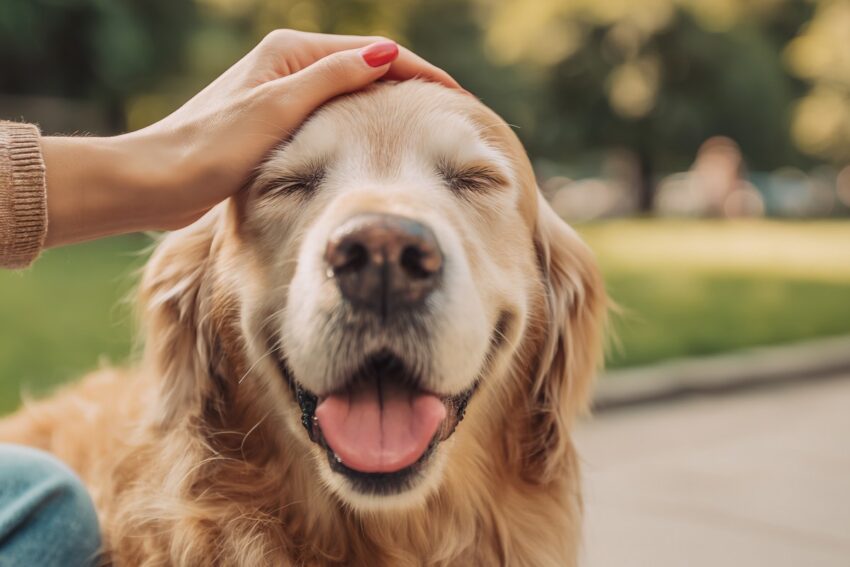
Housebreaking an older dog isn’t just about preventing messes — it’s about building trust and communication. Every time your dog gets it right, they’re learning that you’re safe, reliable, and worth listening to.
The process might take a little longer than it would with a puppy, but older dogs have something even better going for them: gratitude and loyalty. Once they understand what you want, they’ll do their best to please you — every single time.
Here’s what to keep in mind as you wrap up training:
- Be consistent: Routines create confidence.
- Stay patient: Mistakes are part of learning, not failure.
- Reward progress: Celebrate small wins with praise or a favorite treat.
Bottom line: You didn’t just give an older dog a home — you gave them a second chance to feel safe, loved, and understood. And with patience, that bond will grow stronger every single day (and your carpets will stay cleaner, too).







 English (US) ·