
The Pitbull Corgi mix is a blend of two very different breeds, resulting in a lively and lovable dog. You get the strong loyalty of the American Pitbull Terrier and the bright, friendly nature of the Welsh Corgi. If you’re thinking about adding one to your family, it’s important to know what makes them unique and what they need to be happy.
Breed Overview
The Pitbull Corgi mix, also known as a Corgi Pit or Pitbull Corgi, is a planned cross between the American Pitbull Terrier and the Pembroke Welsh Corgi. Breeders aim to bring out the best traits from both parents in these dogs.
Quick Facts at a Glance:
- Height: 17–19 inches at the shoulder
- Weight: 30–50 pounds
- Lifespan: 13–16 years
- Coat Type: Short to medium length, dense
- Coat Colors: Various combinations including black, tan, fawn, blue, and brindle, often with white patches
- Temperament: Affectionate, playful, intelligent, loyal, outgoing
- Good with Kids: Yes, when properly socialized
- Good with Other Pets: Yes, when properly socialized
- Energy Level: High
- Trainability: Good; responds well to positive reinforcement
- Shedding: Moderate to heavy, especially during seasonal coat blows
- Group Classification: Hybrid/Mixed Breed
Pitbull Corgi mixes usually have a strong, muscular body from the Pitbull side and the short legs of a Corgi. They often have a rounded head, dark eyes, and floppy ears. They look sturdy and confident, ready for both fun and guarding their family.
Breed Characteristics
Personality and Temperament
The Pitbull Corgi mix truly inherits the best of both worlds. These dogs are profoundly affectionate and loyal, forming deep bonds with their families. They love being the center of attention and thrive when included in family activities. Unlike some breeds that tolerate children, Pitbull Corgis actively enjoy playing with kids, making them excellent family companions.
One of the most important misconceptions to address: Pitbull Corgi mixes are not inherently aggressive. The American Pitbull Terrier has unfairly acquired a reputation for aggression due to breeding practices from decades past, but modern American Pitbulls are friendly, playful, and outgoing. When you combine this with the sociable Corgi temperament, you get a dog that’s significantly less prone to aggression. That said, like all dogs, they can become defensive if they feel threatened or encounter unfamiliar animals, which is why socialization matters.
Some owners notice these dogs can be stubborn or a bit reserved, especially when they’re young or meeting new people. This is not aggression, just a sign of independence. Early socialization and steady training usually help with this.
Energy Level
These dogs have a lot of energy and need plenty of activity every day, about 60 to 120 minutes. A quick walk is not enough. They enjoy games like fetch, running in a safe yard, hiking, swimming, and trying obstacle courses. They also like learning new things and exploring, so mental exercise is just as important.
If you can’t give them enough time outside and keep them busy, this breed probably isn’t the best fit. When they get bored, they may act out or become unhappy.
Trainability and Intelligence
Pitbull Corgis inherit intelligence from both parent breeds. Corgi ancestry brings herding intelligence, while Pitbull lineage contributes athletic ability and problem-solving skills. These dogs are capable of learning complex commands and excelling in agility competitions. Some have even been trained as service dogs for psychiatric support, performing deep pressure therapy and medication reminders.
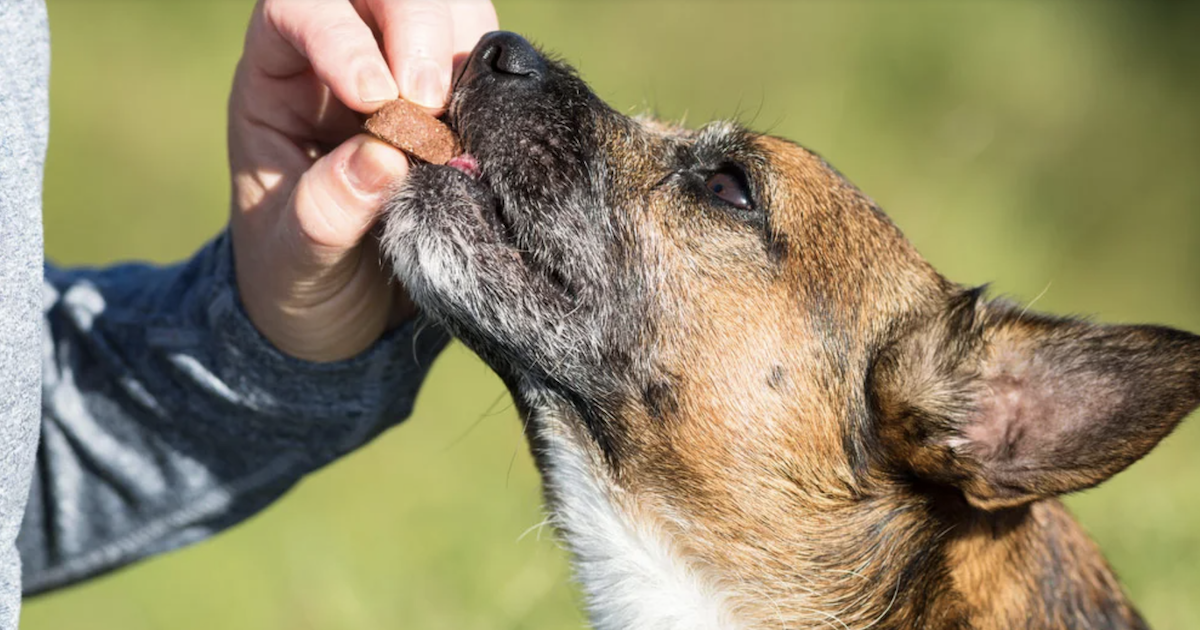
The key to training success is consistency and positive reinforcement. These dogs respond beautifully to rewards—treats, praise, and play matter far more than correction. Start training early, focusing first on foundational obedience and socialization. Their occasional stubbornness typically reflects their intelligence rather than defiance; they simply want to understand the “why” behind commands.
Friendliness and Sociability
Pitbull Corgis are inherently social and people-oriented. They rarely meet a person they don’t like, provided they’ve been properly socialized from puppyhood. However, they do have a prey drive inherited from both parents, meaning they may chase smaller animals like cats, rabbits, or rodents. Early, consistent socialization training significantly reduces this behavior, allowing them to coexist peacefully with smaller household pets.
These dogs don’t like being left alone for long stretches. If they are by themselves too much, they can get anxious or start acting out. They do best in homes where someone is around during the day or where they have a set routine with breaks and attention.
History of the Breed
Understanding where the Pitbull Corgi mix comes from helps explain its characteristics and needs.
The Corgi’s Ancient Heritage
The Corgi’s story begins in Wales during the 1100s, when Flemish craftsmen immigrated to the region. These small herding dogs were bred to work cattle, using their low profile and quick movements to drive and protect livestock. Over centuries, Corgis developed into two distinct types—the Pembroke and the Cardigan. The Pembroke became the more popular variety, even earning a place in royal households. That herding heritage remains embedded in their DNA; Corgis are smart, task-oriented, and protective by nature.
The American Pitbull Terrier’s Journey
The American Pitbull Terrier has a more complex history. In the 1800s, breeders sought to recreate the appearance and build of ancient bull-baiting dogs from the 1400s and 1500s, but with a crucial difference: they wanted these dogs to be less aggressive and more affectionate than their ancestors. These new dogs were brought to America from England, where they became valued as family companions and athletes.
The American Kennel Club still doesn’t officially recognize the American Pitbull Terrier (though other organizations do), but the breed has proven itself as a loyal, capable family dog when raised responsibly.
The Modern Mix
The deliberate crossing of Pitbulls and Corgis is believed to have begun in the 1990s, making this hybrid relatively modern—perhaps 25–30 years old. Breeders recognized that combining the Pitbull’s loyalty and athleticism with the Corgi’s intelligence and herding instincts would create an exceptional companion. While not recognized as an official breed by major kennel clubs, the Pitbull Corgi mix has earned a devoted following among families seeking a unique, capable dog.
Care Requirements
Grooming Needs
Grooming requirements vary depending on which parent breed’s coat your individual dog inherits. Most inherit the Pitbull’s short, straight coat, which requires minimal maintenance. Others get the Corgi’s medium-length, double-layered coat, which demands more attention.
For short-coated Pitbull Corgis: Brush weekly with a slicker or pin brush to remove dead hair and prevent matting. Monthly baths work well for most.
For longer-coated Pitbull Corgis: Daily brushing or at least three days per week is necessary to prevent tangles and matting. During spring and fall, expect significant shedding as they “blow their coat.” During these periods, increase brushing frequency to manage the volume.
Both coat types benefit from:
- Ear checks: Clean ears weekly and watch for infections, particularly in floppy-eared dogs
- Teeth care: Brush daily or use dental treats to prevent tartar buildup.
- Nail trimming: Keep nails short to maintain comfort and prevent injury
- Monthly baths: Use gentle dog shampoo to maintain skin health
Pitbull Corgis are not hypoallergenic. They shed a fair amount, especially when they lose their coat in spring and fall. If you have allergies or don’t want to deal with dog hair, this might not be the right breed for you.
Exercise and Activity Needs
These dogs genuinely need 60 to 120 minutes of daily exercise. This should include both physical activity and mental stimulation. Ideal activities include:
- Fetch and retrieval games
- Long walks or hikes
- Swimming (excellent for joints)
- Agility training
- Hide and seek
- Frisbee or other catch games
- Obstacle courses
- Lure coursing
- Short sprinting sessions
These dogs like activities that have a goal, not just random play. Puzzle toys, scent games, and training sessions are great ways to keep their minds busy. When a Pitbull Corgi is tired, they are usually well-behaved.
Start training immediately upon bringing your puppy home. These intelligent dogs benefit from early structure and clear expectations.
Foundation commands to prioritize:
- Sit, stay, come, down, and leave it.
- Leash walking without pulling.
- Socialization with varied people, animals, and environments
- Quiet/bark training (they’re moderate barkers, but setting boundaries helps)
Training strategies that work:
- Use positive reinforcement exclusively. Treats, praise, and play motivate these dogs far better than correction.
- Keep sessions short: 5–10 minute training sessions prevent boredom and frustration.
- Socialize aggressively: Expose puppies to different environments, people, and animals between 3 and 16 weeks of age to build confidence and reduce fear-based reactivity.
- Be consistent: Everyone in the household should enforce the same rules.
- Channel their energy: Direct their desire to play-bite, chase, and dig into appropriate outlets
If your Pitbull Corgi seems stubborn, it’s often because they are smart, not disobedient. If they don’t follow a command, check if they really understand what you want. They want to make you happy, but they need clear instructions.
Health and Safety
Common Health Concerns
Pitbull Corgi mixes inherit potential health issues from both parent breeds. They’re generally healthier than their purebred parents, but awareness of possible conditions helps you provide preventive care.
Hip dysplasia: This is the most common concern. The hip joint fails to develop properly, creating friction instead of smooth movement. Over time, arthritis can develop. Maintaining a healthy weight and regular moderate exercise helps prevent or slow progression. Veterinary screening can identify this condition early.
Elbow dysplasia: Similar to hip dysplasia but affecting the elbow joint. Again, weight management and appropriate exercise are preventive measures.
Eye problems: Progressive Retinal Atrophy (PRA) and cataracts can affect vision. These are often hereditary, so reputable breeders screen parent dogs. Annual eye exams catch problems early.
Sensitive skin and allergies: Both parent breeds are prone to allergies and skin sensitivity. These may manifest as itching, rashes, or ear infections. High-quality food and regular grooming help minimize issues. If problems persist, your vet may recommend allergy testing or dietary changes.
Bloating (gastric dilatation-volvulus): This life-threatening condition occurs when the stomach fills with gas and twists. Symptoms include a distended abdomen, restlessness, and retching without vomiting. Feed multiple smaller meals rather than one large meal, avoid exercise immediately after eating, and seek emergency veterinary care if symptoms appear.
Intervertebral disc disease: Corgis’ short, long backs make them vulnerable to spinal issues. Symptoms range from mild discomfort to partial paralysis. Avoid jumping, manage weight carefully, and report back pain to your vet immediately.
Seizures: Less common than other conditions but worth monitoring. If your dog has seizures, work with your vet to identify triggers and manage medication if needed.
Preventive Health Care
Responsible ownership means staying ahead of health issues:
- Annual veterinary exams: Catch problems early when treatment is most effective
- Puppy vaccinations: Follow your vet’s schedule for DHPP and rabies vaccines
- Parasite prevention: Use year-round heartworm, flea, and tick prevention
- Weight management: Overweight dogs face compounded joint and digestive problems. Work with your vet to establish and maintain a healthy weight.
- Spay/neuter: Unless you’re a responsible breeder, spay or neuter by 6 months to prevent reproductive cancers and unwanted litters
- Dental care: Brush teeth daily or use dental treats to prevent tartar buildup and disease
When to Contact Your Vet
Seek immediate veterinary attention if you notice:
- Difficulty walking or reluctance to move
- Sudden lameness or paralysis
- Severe vomiting or repeated vomiting
- Difficulty breathing
- Bloated, hard abdomen
- Uncontrolled seizures
- Eye discharge or cloudiness
- Sudden behavior changes
Diet and Nutrition
Pitbull Corgi mixes do best on good quality, balanced dog food. Adults should eat two meals a day instead of one big meal, which helps with digestion and lowers the risk of bloating. Puppies need to eat more often: four times a day until they are 6 months old, then three times a day until they turn one, and then you can switch to two meals a day.
What to look for in quality food:
High-quality proteins (chicken, turkey, salmon) should be the primary ingredients, not by-products or meal. Look for named meat sources rather than vague “meat” or “poultry” references. Include healthy carbohydrates like sweet potatoes and regular potatoes for energy and fiber. Fruits like apples and blueberries, plus vegetables like carrots, provide essential micronutrients and antioxidants.
Avoid foods with excessive fillers, artificial preservatives, or multiple-grain fillers. These provide calories without nutrition and can trigger allergies or digestive upset.
Recommended ingredients to seek:
- Chicken, turkey, or salmon as primary proteins
- Sweet potatoes or potatoes
- Carrots, peas, and other vegetables
- Blueberries, apples, and other fruits
- Fish oil for coat and joint health
- Glucosamine and chondroitin for joint support (particularly important for hip/elbow dysplasia prevention)
Portion sizes and treats
Portion sizes depend on your individual dog’s age, activity level, and metabolism. Most adult Pitbull Corgis do well on 1.5 to 2.5 cups of quality kibble daily, divided into two meals. Ask your veterinarian for personalized recommendations based on your dog’s body condition and health.
Treats should make up no more than 10% of your dog’s daily calories. These smart dogs love treats and will work for them, so treats are great for training. Just be careful not to give too many, since that can lead to weight gain. Use small, low-calorie treats during training.
Food safety and special considerations
Avoid foods toxic to dogs entirely:
- Chocolate
- Grapes and raisins
- Avocado
- Onions and garlic
- Xylitol (artificial sweetener)
- Alcohol and caffeinated products
Some Pitbull Corgis have sensitive stomachs, so if you need to change their food, do it slowly over a week or so. Mix a little more of the new food with the old each day. Changing food too quickly can upset their stomach and cause diarrhea or vomiting.
Where to Adopt or Buy
Finding a Reputable Source
Whether you adopt or buy, it’s important to choose a source that cares about the dogs’ health and well-being. This makes a big difference for both you and your new pet.
Adoption and rescue:
Rescue organizations and shelters increasingly feature mixed breeds. Searching breed-specific rescue groups for “Pitbull mixes” or “Corgi mixes” often yields results. Adoption offers several advantages: the adoption fee is typically lower than purchasing from a breeder, the dog’s temperament is often already assessed, and you’re saving a life. Many rescue dogs prove as healthy and well-adjusted as any purchased dog.
Finding rescue resources:
- Contact local Pitbull or Corgi breed rescue organizations.
- Search Petfinder.com, Adoptapet.com, or Rescueme.org
- Check your local animal shelter—they may have Pitbull Corgi mixes or similar mixed breeds.
- Ask friends, family, and your veterinarian for recommendations.
Responsible breeders:
If purchasing from a breeder, vet them carefully. Responsible breeders:
- Health-test parents: Hip and elbow dysplasia screening, eye exams, and genetic testing reduce inherited disease risk
- Provide health guarantees: Reputable breeders guarantee against hereditary conditions within a specified timeframe.
- Allow home visits: They want to ensure their puppies go to good homes.
- Provide support: Quality breeders remain available for questions and take back dogs if adoption doesn’t work out.
- Don’t ship puppies: They prefer you to visit and meet parents.
- Aren’t available immediately: Good breeders have waiting lists because their puppies are in demand
- Never discount prices: Reduced prices often indicate cutting corners on health testing or care
Red flags indicating irresponsible breeding:
- Multiple litters available immediately
- No parent health testing or documentation
- Pressure to buy quickly
- No questions asked about your home or family.
- Willingness to ship puppies sight unseen
- Below-market pricing
- No health guarantee
Reputable breeders typically charge $300–$800 for a Pitbull Corgi mix puppy, reflecting the costs of health testing, quality nutrition, and veterinary care.
Finding More Information and Resources
Breed Clubs and Organizations
While Pitbull Corgi mixes aren’t recognized by major kennel clubs, owner communities provide valuable support and information.
Parent breed organizations:
- American Pitbull Terrier: Organizations like the United Kennel Club (UKC) and American Dog Breeders Association (ADBA) maintain registries and breed standards
- Welsh Corgi: The American Kennel Club (AKC) recognizes Corgis and maintains breed standards through local clubs
Online communities:
Facebook groups dedicated to Pitbull Corgi mixes offer peer support, troubleshooting tips, and an opportunity to connect with other owners. While these groups vary in quality and moderation, they provide valuable real-world experience.
Veterinary guidance:
Your veterinarian remains your best resource for health questions specific to your individual dog. They know your dog’s medical history and can provide personalized advice.
Adoption resources for further research:
- Adopt a Pitbull (USA): Rescues dedicated to Pitbull terrier mixes nationwide.
- American Corgi Rescue (various locations): Local Corgi rescue groups often handle mixed breeds
- National Pitbull Victim Awareness: While this organization focuses on safety, it provides balanced information about the Pitbull temperament and behavior
- International Association of Canine Professionals: Offers certified trainer directories if you need professional training support
Is a Pitbull Corgi Mix Right for You?
Before bringing one of these energetic, affectionate dogs home, honestly assess whether your lifestyle and home suit their needs.
These dogs thrive in homes where:
- At least one family member spends substantial time at home daily.
- You have a secure yard where they can safely run and play.
- You’re committed to 60–120 minutes of daily exercise and mental stimulation.
- You’re willing to invest in consistent training, particularly during puppyhood.
- You can accommodate their moderate to high shedding.
- You understand that Pitbulls require responsible ownership and are willing to train and socialize thoughtfully.
- You view dog ownership as a 13–16 year commitment.
They may not be a good fit if:
- You live in an apartment with noise restrictions or limited outdoor space.
- You’re away from home for 8+ hours daily with no midday care.
- You have mobility or physical limitations that prevent active exercise.
- You have very young children and limited patience for training.
- You’re a first-time dog owner without the willingness to learn proper training methods.
- You prefer a calm, low-maintenance companion.
- You’re allergic to dog hair.
Pitbull Corgi mixes are special dogs: loyal, smart, playful, and very loving. They do best with active families who can meet their needs for exercise and attention. With good training, socialization, and care, they will be devoted companions for many years. They aren’t the right fit for everyone, but for the right family, a Pitbull Corgi mix could be the fun and loving friend you’re looking for.









 English (US) ·